
Reviewed · GUIDED
Copenhagen: Guided Architecture and Sustainability Tour
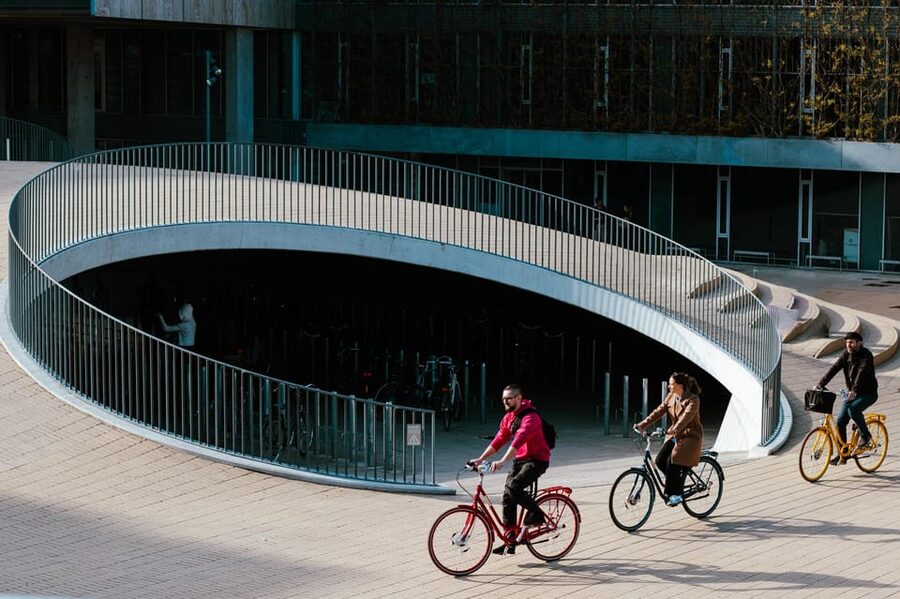
Copenhagen’s best architecture tour is also a lesson in how a city works. Over three hours and roughly 17 kilometers, you cycle from harbour baths and converted industrial sites to striking new housing, learning how Copenhagen puts people, bikes, and the environment into its building plans.
I love the way the ride gets you beyond the usual central sights, and I like the mix of famous modern buildings and less obvious places such as Amager Fælled and the Gemini Residence. Guides including René, Jörn, Josephine, and John bring their own stories and viewpoints, which keeps the tour from feeling like a string of dry design facts.
The main drawback is simple: you need to be comfortable riding in a city for several hours. One guest also found that group control was not perfect and some riders got lost, so this tour may not suit anyone wanting a slow, highly structured walking-style outing.
Key points to know before you ride
- Seventeen kilometers by bicycle: This is an active city tour, not a short spin between a few buildings.
- Modern Copenhagen takes center stage: The focus is especially strong on 21st-century architecture, urban design, and green planning.
- The harbour shows the city’s change: Blox, Lille Langebro, Islands Brygge, and Gemini Residence reveal how former industrial waterfront areas serve daily life today.
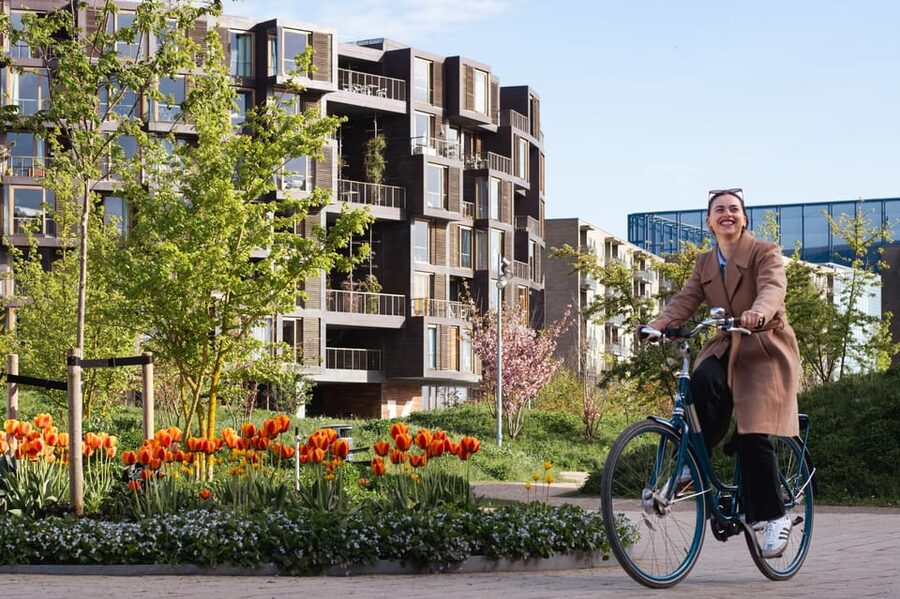
- Ørestad offers bold design: Tietgen Residence Hall, Kaktus Towers, and other new developments show Copenhagen experimenting with housing and public space.
- Practical gear is included: You get a bike, helmet, rain poncho, luggage storage, and access to a lounge with toilets.
- Budget for useful extras: Baskets and phone holders cost 49 DKK each, while e-bikes, child seats, tandems, and cargo bikes cost more.
Why a bicycle is the right way to see Copenhagen’s new side
Copenhagen is easy to admire from the pavement, but cycling explains the city better. You move through several districts at a local pace, crossing bridges, following cycle routes, and seeing how new buildings connect to public spaces.
This is not mainly a tour of royal Copenhagen or postcard Copenhagen. You will not spend the ride moving from one famous old monument to another. Instead, the route examines how the city has reused harbour land, planned new districts, and made cycling part of ordinary transport.
That difference gives the tour its value. Architecture here is not treated as decoration alone. Your guide connects buildings with questions about housing, public access, environmental choices, and the daily quality of life for people who live in Copenhagen.
The three-hour length feels useful for this subject. A shorter ride could show you a few striking buildings, but it would not give you the same sense of how separate areas fit together. The tradeoff is that 17km requires real energy, even though the route includes regular stops.
A few more Copenhagen trips to weigh up
- Copenhagen: Highlights 3 Hour Bike Tour with a Local Guide
★ 4.8 · 2,312 reviews - Copenhagen Sightseeing Classic Canal Tour With Live Guide
★ 4.5 · 1,906 reviews - Copenhagen Highlights 3 Hour Bike Tour with local Guide
★ 5.0 · 1,125 reviews
Starting at Blox and crossing Lille Langebro
The ride begins at Tropical Bikes on Vester Voldgade 2A, unless your booking gives a different starting point. You collect your bicycle and helmet there, with frame sizes of 48cm, 51cm, and 56cm available. Children’s bikes with 24-inch and 26-inch frames can be arranged in advance.
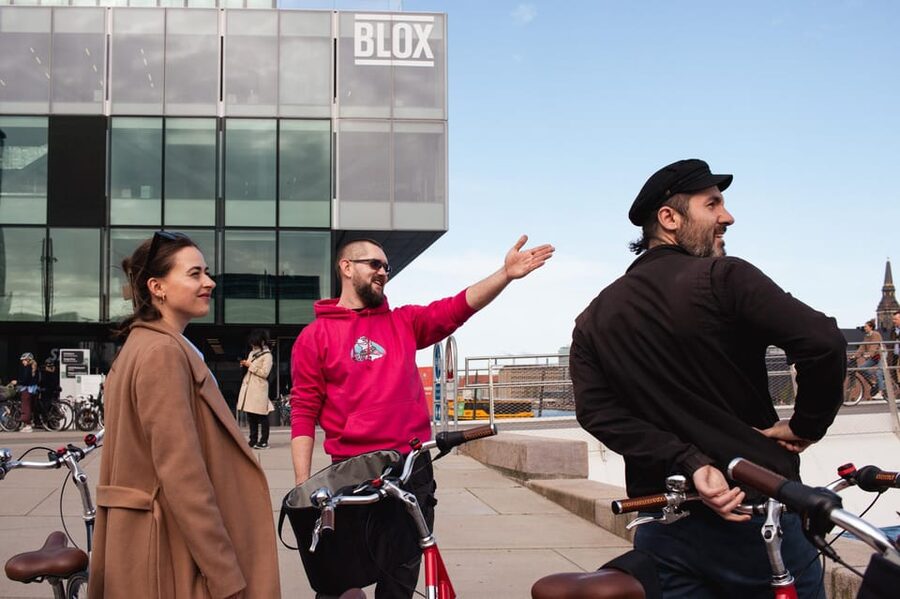
The first major stop is Blox, a modern centre by the harbour. Here, your guide introduces Copenhagen’s recent architectural direction and explains how new buildings can bring work, culture, and public use to areas that once had a more industrial purpose.
From Blox, you continue to Lille Langebro. The bridge is a brief stop, but it helps you understand Copenhagen as a city linked by water. The route is not just about looking at structures from a distance. You get to use the bridges and see how cycling infrastructure changes the way people cross the city.
I would pay attention to how your guide handles the group at this point. The route involves moving through active urban areas, so staying close and following instructions matters. One report noted that some riders became separated, making it sensible to keep the guide in sight rather than stopping far behind for photographs.
Islands Brygge and Copenhagen’s public waterfront
Havnebadet Islands Brygge gives the tour a strong example of public space in use. The harbour bath is tied to Copenhagen’s decision to make its waterfront more accessible for everyday recreation.
Your guide spends about ten minutes here, enough time to discuss the area rather than simply pause for a photograph. The point is the change in attitude toward the harbour: water beside the city can be part of daily public life, not only a working or industrial edge.
This is one of the places where the sustainability theme becomes more human. The tour looks at how planning can support exercise, outdoor life, and social use without requiring a major excursion outside the city.
The stop also breaks up the cycling nicely. You are not expected to ride continuously for three hours. The route includes several short guided stops and scenic sections, though you should still wear comfortable shoes and clothing suited to the weather. The tour runs in rain or sunshine, and a rain poncho is provided if needed.
Ørestad, Tietgen Residence Hall, and Amager Fælled
The route then heads toward Ørestad, one of Copenhagen’s most striking modern districts. Here, the emphasis shifts from waterfront renewal to planned urban growth. The buildings are newer, the scale is different, and the architecture makes a much stronger visual statement.
You get scenic views while riding through the area, followed by a stop at Tietgen Residence Hall. The residence is particularly useful for understanding how architecture can shape shared living. Its design is not presented as an isolated object. Instead, your guide explains how student housing, communal areas, and the wider plan of the district relate to one another.
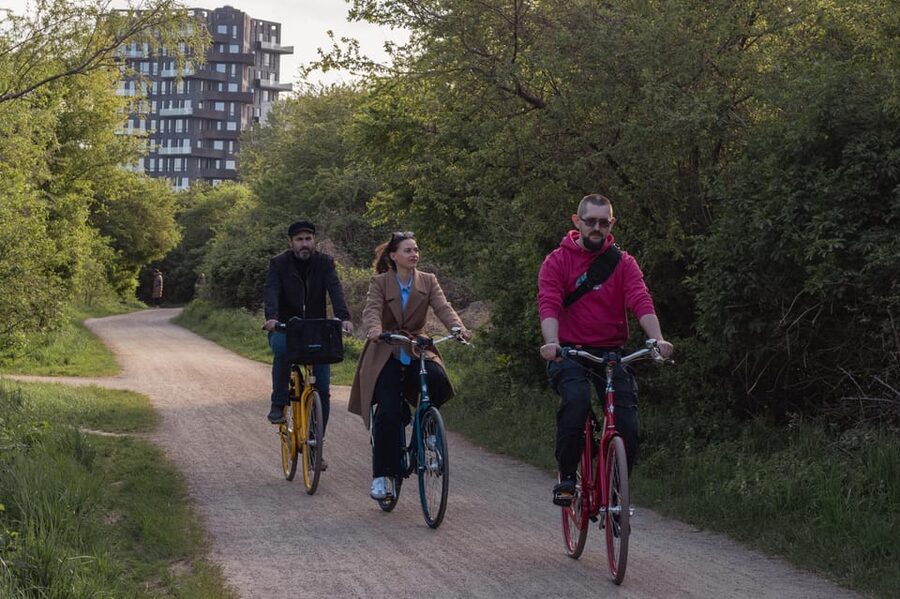
The tour then reaches Amager Fælled, bringing a less built-up setting into the route. This contrast matters. After the hard lines and tall buildings of Ørestad, the open area gives you a chance to consider the tension between new construction and nearby natural space.
I like this part because it keeps the tour from becoming a parade of eye-catching buildings. You see that sustainable planning involves more than energy-saving features or attractive façades. It also involves deciding where the city should grow and how open areas fit into that growth.
Your guide’s personal approach can make a real difference here. René has been praised for making riders feel safe and comfortable while explaining the city’s choices. Jörn has a reputation for adding details beyond the basic facts, and Josephine combines architecture knowledge with humour. The exact guide depends on the day, but the experience benefits from having a local person interpret the decisions behind the buildings.
Same city, a completely different kind of day:
- Copenhagen Card-Discover: 80+ Attractions & Public Transport
★ 4.6 · 5,351 reviews - Copenhagen: Hop-On Hop-Off Bus Tour with Boat Tour Option
★ 3.9 · 4,122 reviews - Private Walking Grand Tour of Copenhagen
★ 5.0 · 3,953 reviews - From Copenhagen: Lund and Malmö 2-Country Tour
★ 4.7 · 3,807 reviews
Gemini Residence and the Cykelslangen
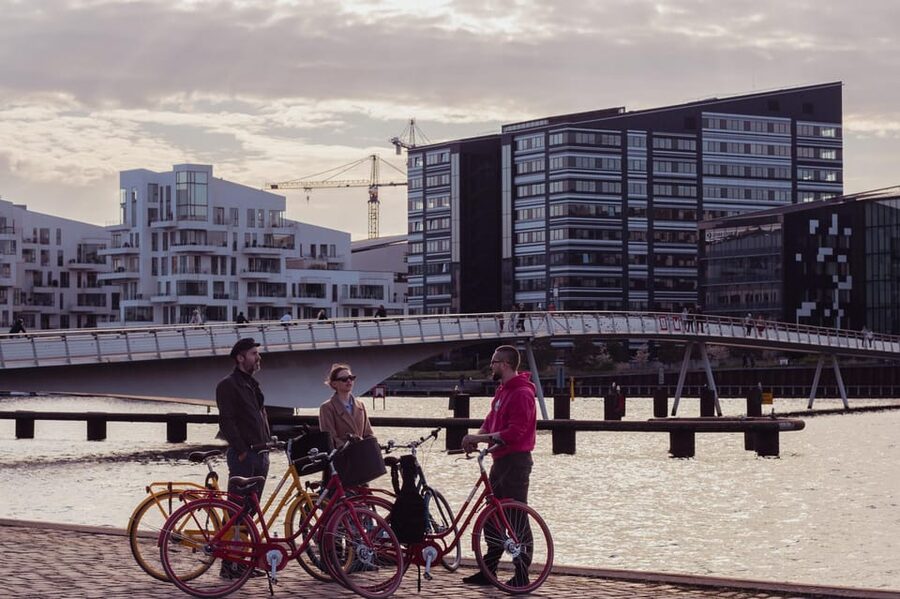
E/F Gemini Residence returns you to the harbour and to the subject of adaptive urban living. The building is a memorable stop because it shows how former industrial structures and waterfront sites can be given a new purpose.
Your guide uses the building to explain how Copenhagen has changed its relationship with the harbour. You are not only looking at an unusual residential design. You are also considering how old working areas can become places where people live and move through the city.
Next comes Cykelslangen, or the Bicycle Snake, a purpose-built cycle route. This is mainly a scenic ride rather than a long lecture stop. That is appropriate: the route itself is the lesson. Copenhagen’s cycling culture depends on infrastructure that lets riders move efficiently and safely through difficult urban spaces.
For me, this is one of the clearest reasons to take the tour by bike. You can discuss cycle planning in a vehicle, but riding the route gives you a direct sense of how it fits into city life. You also see Copenhagen from a lower, slower viewpoint than you would from a bus.
The tour is not designed for people who cannot ride a bicycle. You should also be ready for the normal demands of urban cycling, including paying attention to the guide, other riders, and the route. The supplied information does not specify a minimum skill level, so if you are unsure, ask Tropical Bikes before booking.
Kaktus Towers and Enghave Plads
Kaktus Towers provides another look at Copenhagen’s recent housing experiments. The towers have a distinctive form and are easy to remember, but the guide’s explanation is more valuable than the photo opportunity.
Here, you can expect discussion of how modern housing tries to combine density with a good daily setting. Copenhagen cannot grow without building upward or using land carefully, so projects like this raise practical questions about appearance, comfort, and the use of limited urban space.
The stop at Enghave Plads shifts attention to a public square and a neighbourhood setting. This makes a useful contrast with the large-scale towers. A city is not successful because it has dramatic buildings alone. It also needs places where people can meet, pause, and move around comfortably.
The tour’s strongest guides make these connections clearly. John, for example, has focused on the political and social choices behind Copenhagen’s sustainability work, including efforts by city leaders to improve residents’ lives. That kind of explanation helps you see architecture as part of public policy rather than as a collection of fashionable shapes.
Israels Plads and the ride back
The final main stop is Israels Plads, where the tour returns to the relationship between historic city areas and newer environmental ideas. The square has been transformed into a more active public place while still sitting within Copenhagen’s older urban fabric.
It is a fitting ending because the whole ride has compared old and new. You see industrial sites reused, new housing placed near open areas, and streets and squares planned around people rather than only around cars.
From there, you return to Tropical Bikes on Vester Voldgade 2A, with drop-off arrangements depending on the option booked. The cycling route gives you a stronger sense of Copenhagen’s scale than a series of isolated stops would. You have crossed water, passed through new districts, and watched the city change block by block.
The experience does not cover every period of Copenhagen’s architectural story in equal detail. One rider specifically found it very good for modern architecture and urban design but limited on earlier periods. If your main interest is medieval buildings, royal residences, or older Danish design, this is not the best single tour for you.
What the $70 price includes
At $70 per person, the tour is priced above a basic bicycle rental, but the comparison is not quite fair. You are paying for a three-hour route, a live guide, a helmet, a bicycle in your size, and an organized explanation of places you might not think to visit alone.
The value is strongest if you want context. You could rent a bike and pass Blox, Ørestad, Kaktus Towers, or Cykelslangen independently, but you would miss much of the reasoning behind the city’s design. You would also need to plan the route and manage the stops yourself.
The included practical extras help. Luggage storage is available, along with a comfortable lounge and toilets before and after the ride. A rain poncho is supplied in case of wet weather, which matters because the tour starts in all conditions.
Baskets and phone holders are not included. Each costs 49 DKK on site, so buy one if you need to carry a water bottle or keep navigation accessible. Special bikes require advance arrangements: an e-bike costs 249 DKK, a cargo or tandem bike costs 449 DKK, an e-cargo bike costs 649 DKK, and a child seat costs 119 DKK.
Children’s bikes are available, but you must reserve them beforehand. The stated frame choices give you a useful starting point, but you should confirm the right size if you are tall, short, or booking for a child.
Who will enjoy this ride most
I would choose this tour if you are interested in modern architecture, public space, cycling, or practical sustainability. It suits visitors who have already seen Copenhagen’s main central sights and want to understand how the city continues to change.
It is also a good match for anyone who learns better while moving. The route gives you real examples instead of a classroom lecture, and the changes between harbour, housing, open space, and neighbourhood squares keep the subject varied.
Architecture students and design-minded visitors should find plenty to discuss. The tour does not only show polished landmarks. It also asks how buildings serve residents and how planning choices affect ordinary city life.
I would be more cautious if you dislike cycling, tire easily, or want an itinerary built around old Copenhagen. The route covers a lot of ground, and the central theme is modern urban design. A private group may be worth considering if you want a more personal pace or have a group with mixed cycling ability.
The guides are a real part of the experience. René has been singled out for safety and warmth, Jörn for detailed explanations, Josephine for clear architecture knowledge and humour, and John for his focus on the choices behind Copenhagen’s environmental aims. Guide assignments can change, so book this for the subject and format first, then enjoy the added personality of whoever leads your ride.
Booking details worth knowing
The tour lasts three hours and is offered in English or German. Private groups are available, and starting times depend on availability.
You can cancel up to 24 hours before departure for a full refund. A reserve-now, pay-later option is also available, which is useful when your Copenhagen plans are still shifting.
The meeting point can vary by booking option, so check your confirmation carefully. The main listed base is Tropical Bikes, Vester Voldgade 2A.
Should you book this Copenhagen architecture bike tour?
Book it if you want to see Copenhagen as a working city rather than a collection of sights. The harbour, Ørestad, Cykelslangen, Kaktus Towers, and Israels Plads form a strong route, and the guide adds the political and practical context that buildings cannot provide on their own.
The tour’s 4.8 rating from 73 reviews fits its strengths: friendly guides, well-kept bikes, safe riding, and unusual places. Keep your expectations focused on modern architecture and urban planning, not old-town history. If you can comfortably ride 17km and stay with the group, $70 is a fair price for three hours of guided access to Copenhagen’s most forward-looking districts.
FAQ
How long is the Copenhagen architecture and sustainability tour?
The tour lasts three hours.
How far will I cycle?
You will cycle roughly 17 kilometers in total.
What languages are available?
The live tour guide speaks English or German.
What type of bicycle is included?
Bikes are provided in 48cm, 51cm, and 56cm frame sizes. A helmet is also included.
Are children’s bikes available?
Yes. Children’s bikes with 24-inch and 26-inch frames are available, but you must reserve them beforehand.
Can I use an e-bike or child seat?
Yes. An e-bike, cargo bike, tandem, e-cargo bike, or child seat can be arranged for an additional charge. Special bike upgrades must be reserved in advance.
Does the tour operate in bad weather?
Yes. The tour starts in any weather. Suitable clothing and comfortable shoes are recommended, and a rain poncho is provided if it rains.
Where does the tour meet and finish?
The main meeting and return point is Tropical Bikes at Vester Voldgade 2A, but the exact meeting and drop-off location may vary depending on the option booked.
Just added around Copenhagen
- Urban Design and Livability E-bike Tour★ 4.8 · 21 reviews
- Full-Day Tour; Castle, Palace & Cathedral, Winter(JAN-MAR)★ 5.0 · 11 reviews
- a day at North Zealand Castle Tour★ 4.5 · 19 reviews
- The Philosopher’s Last Walk: An audio tour on the life of Søren Kierkegaard★ 4.5 · 5 reviews
- The Six Forgotten Giants Trolls Hunt with Minibus★ 4.5 · 27 reviews
- Copenhagen Walking Tour with Food Testing (smorrebrod dish & snap)★ 4.5 · 10 reviews
- The Forgotten Giants Private Tour★ 5.0 · 3 reviews
- Explore the Instaworthy Spots of Copenhagen with a Local★ 3.5 · 3 reviews
Guided, compared.
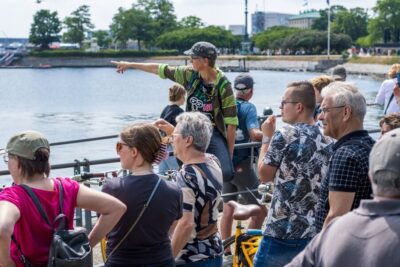
Highlights 3 Hour Bike Tour with a Local Guide
Read our review →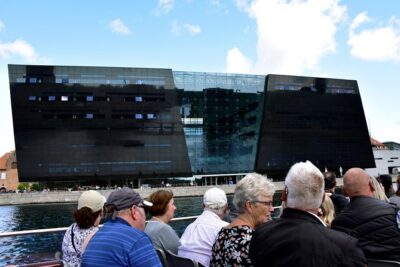
Copenhagen Sightseeing Classic Canal Tour With Live Guide
Read our review →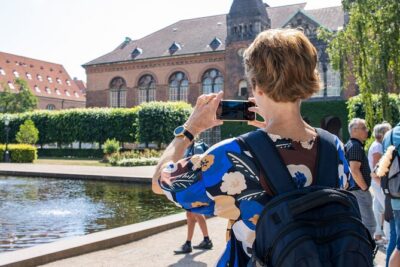
Copenhagen Highlights 3 Hour Bike Tour with local Guide
Read our review →

Guided Party Pub Crawl with 4 Shots and 1 Drink
Read our review →
Segway Tours Copenhagen w. Guide & Concierge Service. 2 Hours+
Read our review →
Bike Tour Copenhagen. Private Guide, Concierge Service, Small Grp
Read our review →Browse the lists this tour appears in