
Reviewed · GUIDED
Copenhagen: The Royal Danish Theatre Guided Tour
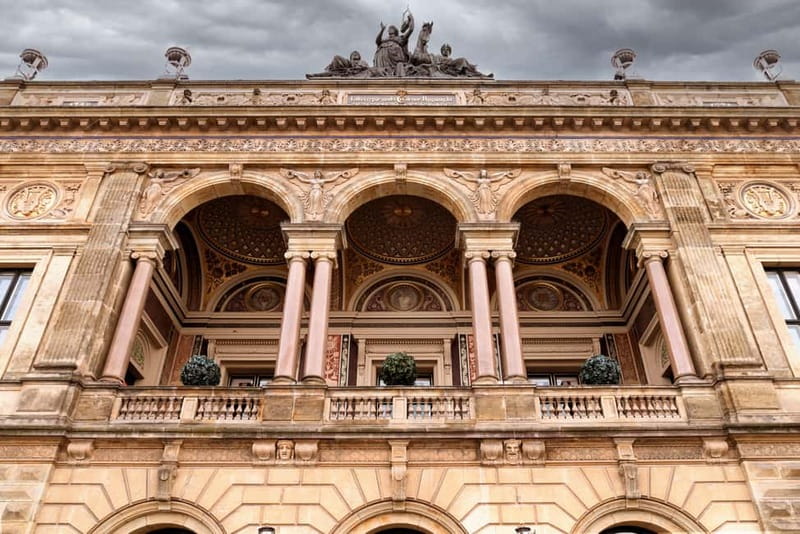
The Royal Danish Theatre tour gives you something a normal performance cannot: a look behind the curtain at Copenhagen’s grand Old Stage. In 75 minutes, you move from the gold-and-velvet public rooms to work areas, backstage spaces, and H.M. King Frederik 10.’s private salon.
I like the mix of show and working theater. You see the Balcony Foyer and tailor’s room, then learn how costumes, staging, and scenography support ballet, opera, and theater. Guides such as Hilary have made the tour lively and clear. The main drawback is access: it is not suitable for wheelchair users, people with mobility impairments, or children under seven.
Key points
- The 1874 Old Stage: Explore one of Copenhagen’s major performance buildings and hear how its stage has served ballet, opera, and theater.
- A real backstage look: The route includes backstage areas, the tailor’s room, and spaces tied to the practical work of producing a show.
- Royal interiors: See the spectacular hall, crystal chandeliers, gold details, velvet, and the king’s private salon.
- A focused 75 minutes: The tour packs a lot into a manageable visit without taking up half your day.
- English guidance: The tour is conducted in English, with guides including Hilary, who has been praised for detailed and engaging explanations.
Entering the Old Stage at Kgs. Nytorv
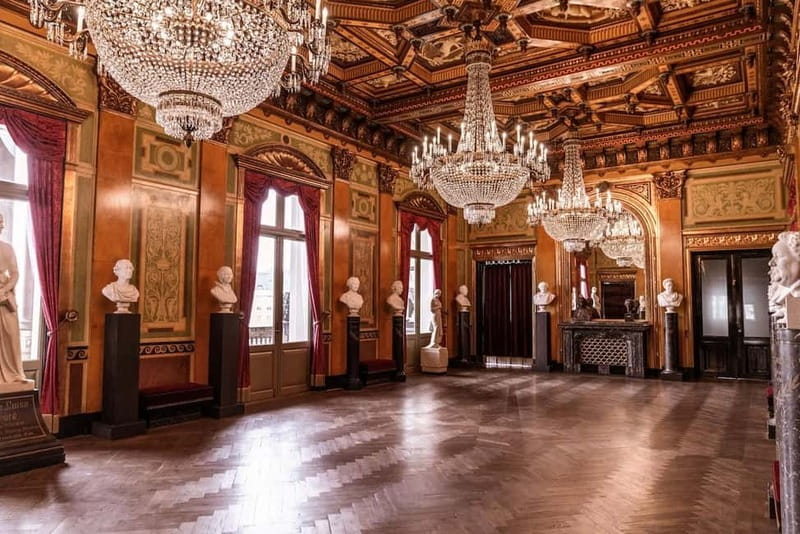
You meet your guide in the large foyer by the main entrance at Kgs. Nytorv. This meeting point is just around the corner from the official address, August Bournonvilles Passage 8, so allow time to find the correct entrance and arrive 15 minutes early.
That early arrival matters in a busy central square. You do not want to be standing outside the wrong doorway while the group gathers inside. Look for the large foyer at the main entrance rather than relying only on the street address.
The setting starts the tour well. The Old Stage is not a plain modern venue where the theater itself disappears once you enter. Its foyer introduces you to the formal style of the building, with ornate decoration and a sense of ceremony.
The Royal Danish Theatre’s Old Stage was inaugurated in 1874. That date gives the tour a useful frame. You are not simply looking at pretty rooms. You are seeing a building shaped by more than a century of performances, royal connections, stagecraft, and changing theater practice.
A few more Copenhagen trips to weigh up
- Copenhagen: Highlights 3 Hour Bike Tour with a Local Guide
★ 4.8 · 2,312 reviews - Copenhagen Sightseeing Classic Canal Tour With Live Guide
★ 4.5 · 1,906 reviews - Copenhagen Highlights 3 Hour Bike Tour with local Guide
★ 5.0 · 1,125 reviews
Gold, velvet, and crystal in the public rooms
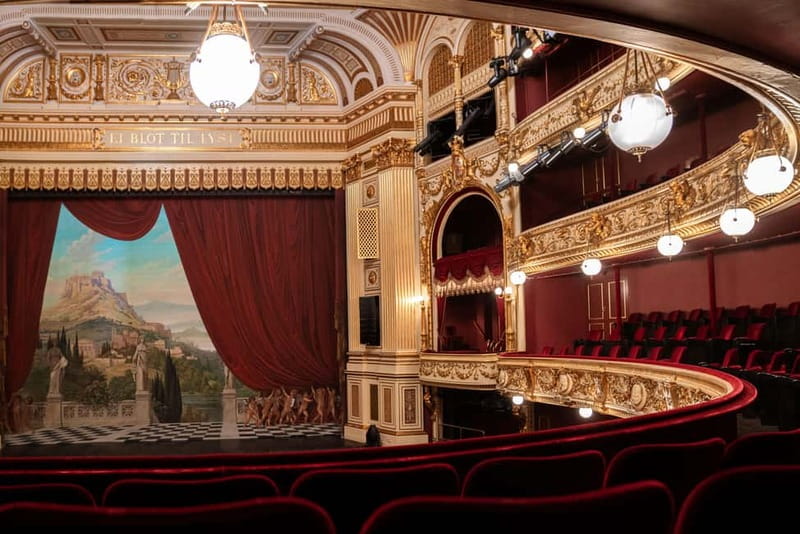
The architectural details are one of the clearest reasons to book this experience. Expect gold decoration, velvet, and crystal chandeliers, especially in the impressive public interiors and the spectacular hall.
The design creates the right mood for opera and ballet. Before the guide explains anything, the rooms tell you that this is a place built for ceremony and spectacle. The polished surfaces and grand proportions are not just decoration. They help explain how attending a performance once functioned as a major social event.
The hall is a central stop, and it gives you a chance to take in the scale of the theater. One useful surprise is that the building feels larger and more varied than you might expect from its exterior. The route does not stay in one grand room. It moves through different kinds of spaces, from formal audience areas to practical working rooms.
Your guide helps connect the beauty to the work. Gold and chandeliers may catch your eye first, but a theater depends just as much on the people who make costumes, prepare scenery, organize staging, and keep performances moving. The tour is at its best when it links those two sides of the building.
The Balcony Foyer and the royal salon
The Balcony Foyer is another major highlight. Its name suggests a connection to the upper audience areas, but the important point for you is the view into the theater’s formal design and social spaces. It is one of the places where the building’s grand character is easiest to appreciate.
You also visit H.M. King Frederik 10.’s private salon. This adds a royal layer to the experience without turning the whole tour into a palace visit. The salon offers a more personal and restricted-feeling setting than the public foyer and hall.
The king’s salon is especially useful for understanding the theater’s place in Danish cultural life. The building serves as a working center for performances, but it also has a close connection with the monarchy. That combination gives the tour more range than a standard architecture walk.
Do not expect the salon to be presented as a separate royal residence. It is one stop within a theater tour, alongside the stage, backstage areas, and tailoring rooms. That balance is a strength. You see the royal setting, then return to the practical business of making theater.
Behind the curtain: how productions take shape
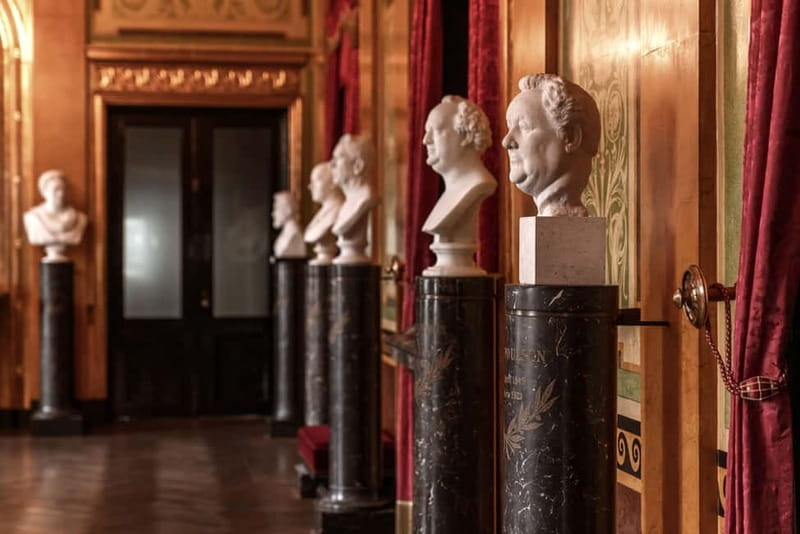
The backstage portion gives the tour its real purpose. You learn how performances are staged and how costumes and scenography support what happens in front of the audience.
Scenography covers the visual world of a production, including the way the stage environment supports the story. The tour does not only show you the finished performance space. It explains the work that has to happen around it, behind it, and before the audience takes its seat.
The big tailor’s room is an especially useful stop. Costumes are easy to admire during a ballet or opera, but much harder to understand as working objects. A tailor’s room makes the process more concrete. It shows that a production depends on skilled preparation as much as on the performers who receive the applause.
You may find this part more memorable than the ornate interiors. The chandeliers and gold are immediately photogenic, but the backstage areas explain how the theater functions day to day. For anyone interested in costume, design, stage management, or theater production, this is likely the most valuable section.
The exact route can depend on theater operations, so you should think of the visit as access to working areas rather than a guaranteed look at every technical space. The supplied details promise backstage areas, the tailor’s room, and the main theatrical rooms, but they do not specify a full tour of every department.
Same city, a completely different kind of day:
- Copenhagen Card-Discover: 80+ Attractions & Public Transport
★ 4.6 · 5,351 reviews - Copenhagen: Hop-On Hop-Off Bus Tour with Boat Tour Option
★ 3.9 · 4,122 reviews - Private Walking Grand Tour of Copenhagen
★ 5.0 · 3,953 reviews - From Copenhagen: Lund and Malmö 2-Country Tour
★ 4.7 · 3,807 reviews
Ballet, opera, and theater in one building
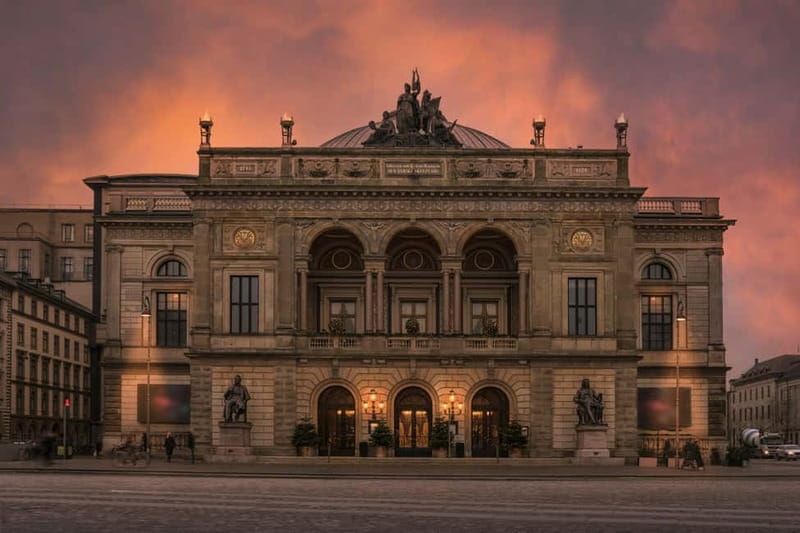
The guide places the Old Stage in the story of Danish performance. You hear about classical ballets, operas, and theater productions that have appeared here, along with the stage’s role in major Danish artistic achievements.
That range matters. The building is not devoted to one narrow art form. Ballet, opera, and spoken theater all require different combinations of performers, scenery, costumes, music, and technical support. The tour helps you see how one cultural center can hold all of those traditions under one roof.
I would pay close attention when the guide shifts from dates and famous performances to the practical question of how a production is made. That is where the visit becomes more than a history talk. You begin to understand why the tailor’s room, backstage spaces, hall, and salon belong in the same story.
The experience also gives you a better appreciation of scale. A theater production can appear effortless from an audience seat. The backstage visit shows the less visible network of rooms and jobs that makes that appearance possible.
What the 75-minute format does well
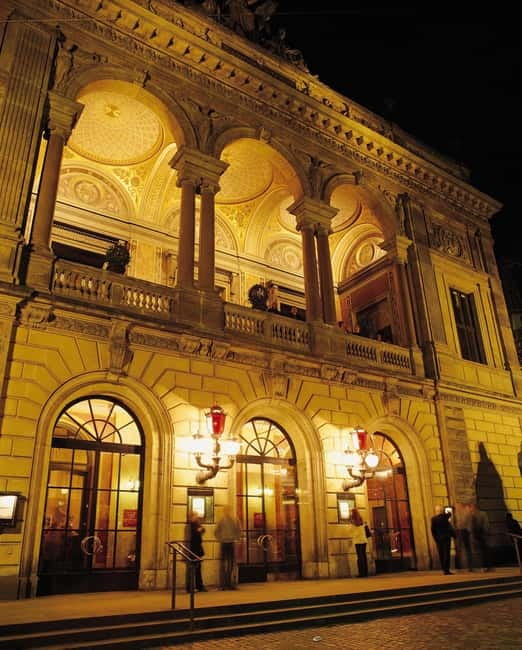
Seventy-five minutes is a useful length for this tour. It is long enough to cover the main interiors and backstage sections, but short enough to fit alongside other Copenhagen plans.
The format should suit you if you want a focused cultural visit rather than a full afternoon at a museum. You get a guided explanation throughout, so you do not need to prepare a detailed theater history before arriving. The English live guide also lets you ask questions and follow the story as you move through the building.
The pace is likely to feel active because the tour covers several different spaces. You are not simply seated in the hall for an extended talk. The route includes the foyer, hall, Balcony Foyer, backstage areas, tailor’s room, and royal salon.
Guides including Hilary have been singled out for making the 75 minutes pass quickly while still explaining the details. That is important in a building with so much to point out. A weak guide could reduce the visit to a list of rooms. A strong one helps you see why each room matters.
The tour is in English. If you prefer Danish, you need to book a Danish-language tour through The Royal Danish Theatre’s own website instead.
Is $24 a fair price?
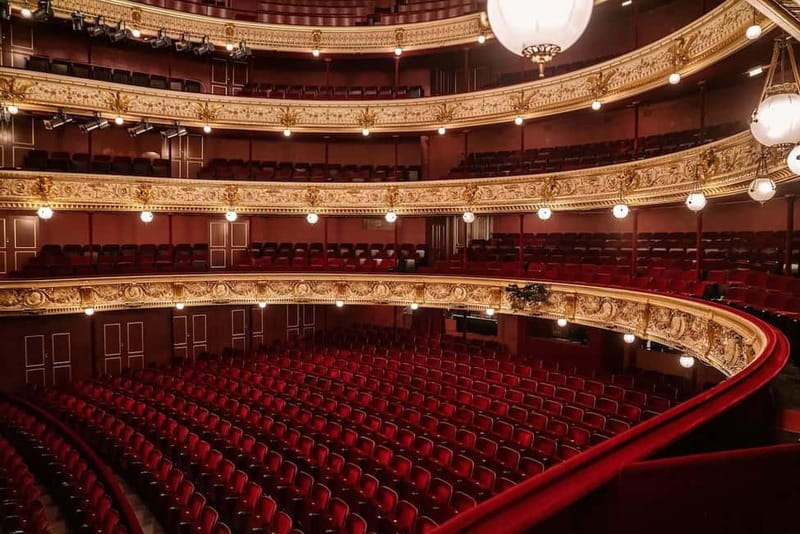
At $24 per person, this is a reasonable price for a guided visit to an important Copenhagen theater. You are paying for entrance to the Old Stage and a 75-minute live tour, not just permission to walk into the foyer.
The value depends on your interests. If you enjoy architecture, royal sites, theater, costume, or behind-the-scenes access, the price is easy to justify. The visit combines several subjects in one booking, and the guide adds context that you would miss by seeing only the exterior.
It is less useful if you have no interest in performance spaces or historic interiors. The tour does not promise a full performance, rehearsal, or a show on stage. You are paying for access and explanation, not a theater ticket.
Compared with a quick look at the building from Kgs. Nytorv, the tour gives you much more. You enter the Old Stage, see work areas, and visit rooms with restricted or special functions, including the royal salon. That makes the cost sensible for a short cultural activity in central Copenhagen.
The free cancellation option up to 24 hours ahead and the reserve-now, pay-later arrangement also reduce the risk of fitting it into a changing schedule. These policies are useful, but the main value remains the content of the tour itself.
Who should book this Copenhagen theater tour?
I would recommend it to adults and older children who want more than a standard sightseeing stop. It is particularly well suited to:
- People interested in ballet, opera, or theater
- Visitors who enjoy historic architecture and formal interiors
- Anyone curious about costumes, stage design, and production work
- Couples looking for a short cultural activity near Kgs. Nytorv
- Visitors who prefer guided explanation to reading display panels alone
The minimum age is seven, so families with younger children should choose another activity. Even for children over seven, the value will depend on their interest in theater and historic buildings.
The tour is not suitable for people with mobility impairments or wheelchair users. Baby strollers are not allowed, and the venue also prohibits food, drinks, luggage, and large bags. Assistance dogs are allowed, while other pets are not.
Pack lightly. A large bag can create a problem at the entrance, and there is no reason to bring food or drinks for a 75-minute indoor visit.
How to get the most from the visit
Arrive 15 minutes early and confirm that you are at the large foyer by the main entrance at Kgs. Nytorv. The official address can be slightly confusing because the meeting spot is around the corner at August Bournonvilles Passage 8.
Wear comfortable shoes and expect to move through several parts of the building. The supplied information does not specify the amount of walking or the presence of stairs, but the activity is explicitly not suitable for people with mobility impairments or wheelchair users, so you should consider that before booking.
Keep your attention on the guide during the backstage sections. The most useful information may concern how staging, costumes, and scenography work together, rather than the names of rooms. The grand interiors are easy to admire on your own. The production details are harder to understand without explanation.
If you are planning a performance at the Royal Danish Theatre, this tour can add useful context before you take your seat. You will recognize the building’s public spaces and have a better sense of the work taking place beyond the audience area.
Should you book the Royal Danish Theatre tour?
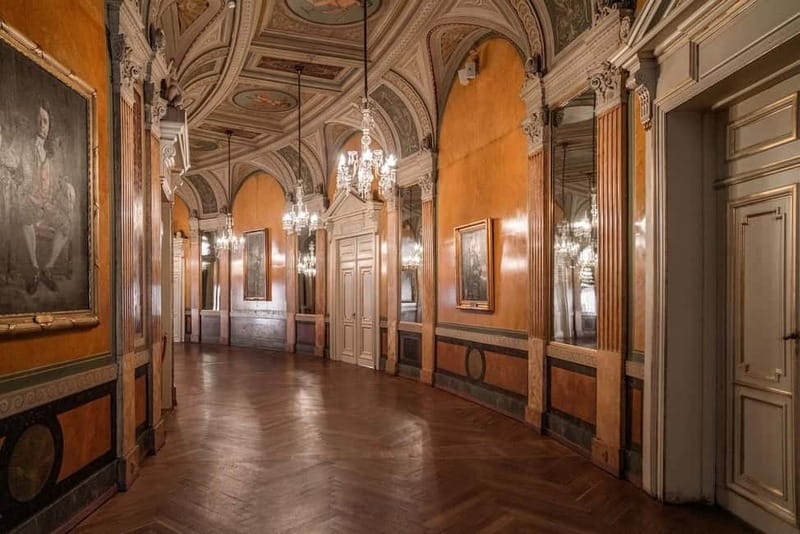
Book it if you want a compact, English-language look at one of Copenhagen’s most important theater buildings, especially if backstage work interests you. The combination of the 1874 Old Stage, grand hall, Balcony Foyer, tailor’s room, backstage areas, and King Frederik 10.’s salon gives the tour a good range.
Skip it if you need full wheelchair access, are traveling with a child under seven, or want to see a live performance rather than tour the building. For everyone else, $24 is a fair price for 75 minutes of architecture, royal connection, and practical theater insight, with guides such as Hilary helping keep the visit lively and easy to follow.
FAQ
Where does the Royal Danish Theatre tour meet?
The meeting point is in the large foyer by the main entrance at Kgs. Nytorv. It is just around the corner from the official address, August Bournonvilles Passage 8.
How early should I arrive?
You should arrive 15 minutes before the tour begins.
How long does the guided tour last?
The tour lasts 75 minutes.
What language is the tour in?
The tour is conducted in English with a live guide.
What rooms and areas can I see?
The tour includes the Old Stage, the impressive hall, the Balcony Foyer, backstage areas, the big tailor’s room, and H.M. King Frederik 10.’s private salon.
What does the guide explain?
You learn about the building’s history, ballet, opera, and theater performances, as well as staging, costumes, and scenography.
How much does the tour cost?
The listed price is $24 per person.
Are children allowed on the tour?
Children under seven are not allowed. The activity may suit older children who are interested in theater and historic buildings.
Is the tour wheelchair accessible?
No. The activity is not suitable for wheelchair users or people with mobility impairments.
Can I bring a stroller, food, or a large bag?
No. Baby strollers, food and drinks, luggage, and large bags are not allowed. Assistance dogs are permitted, but other pets are not.
Can I cancel the booking?
You can cancel up to 24 hours in advance for a full refund. You can also reserve now and pay later.
Just added around Copenhagen
- Urban Design and Livability E-bike Tour★ 4.8 · 21 reviews
- Full-Day Tour; Castle, Palace & Cathedral, Winter(JAN-MAR)★ 5.0 · 11 reviews
- a day at North Zealand Castle Tour★ 4.5 · 19 reviews
- The Philosopher’s Last Walk: An audio tour on the life of Søren Kierkegaard★ 4.5 · 5 reviews
- The Six Forgotten Giants Trolls Hunt with Minibus★ 4.5 · 27 reviews
- Copenhagen Walking Tour with Food Testing (smorrebrod dish & snap)★ 4.5 · 10 reviews
- The Forgotten Giants Private Tour★ 5.0 · 3 reviews
- Explore the Instaworthy Spots of Copenhagen with a Local★ 3.5 · 3 reviews
Guided, compared.
Highlights 3 Hour Bike Tour with a Local Guide
Read our review →
Copenhagen Sightseeing Classic Canal Tour With Live Guide
Read our review →
Copenhagen Highlights 3 Hour Bike Tour with local Guide
Read our review →
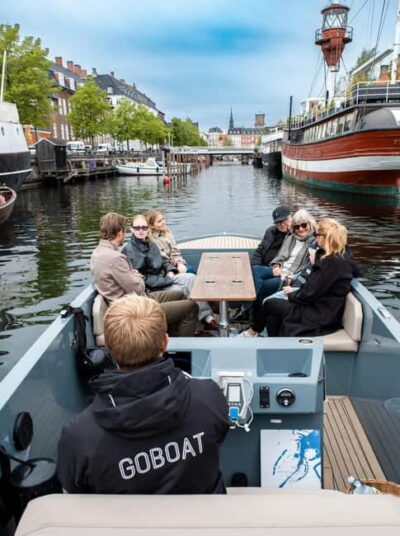

Guided Party Pub Crawl with 4 Shots and 1 Drink
Read our review →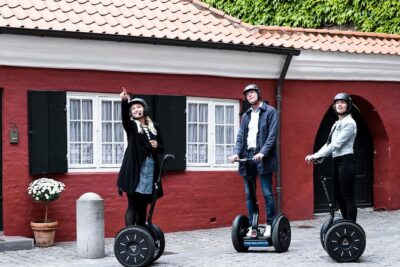
Segway Tours Copenhagen w. Guide & Concierge Service. 2 Hours+
Read our review →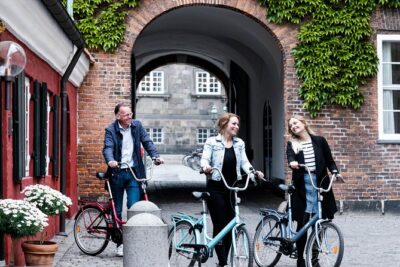
Bike Tour Copenhagen. Private Guide, Concierge Service, Small Grp
Read our review →Browse the lists this tour appears in