
Reviewed · SIX FORGOTTEN GIANTS TOURS
Copenhagen: The Six Forgotten Giants Hunt and Nature Walk
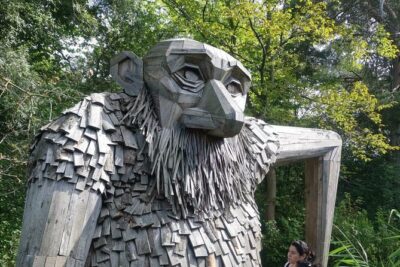
Copenhagen’s Six Forgotten Giants turn an ordinary outing into an open-air treasure hunt. These huge wooden sculptures sit in parks, woods, hills, and by a bridge outside the city, so you get both public art and a proper breath of fresh air. I like the clever route by private van, and I like that guide Milad Shekhzada treats the trip as a friendly walk rather than a rushed photo stop.
The small group, limited to six people, is another real plus. Milad is praised for sharing Danish culture, making time for questions, offering to take photos, and adjusting the pace when needed. The main consideration is simple: four hours includes moderate walking, and the six sites are spread out. This is not the right pick if you want a seated sightseeing tour.
Key things to know
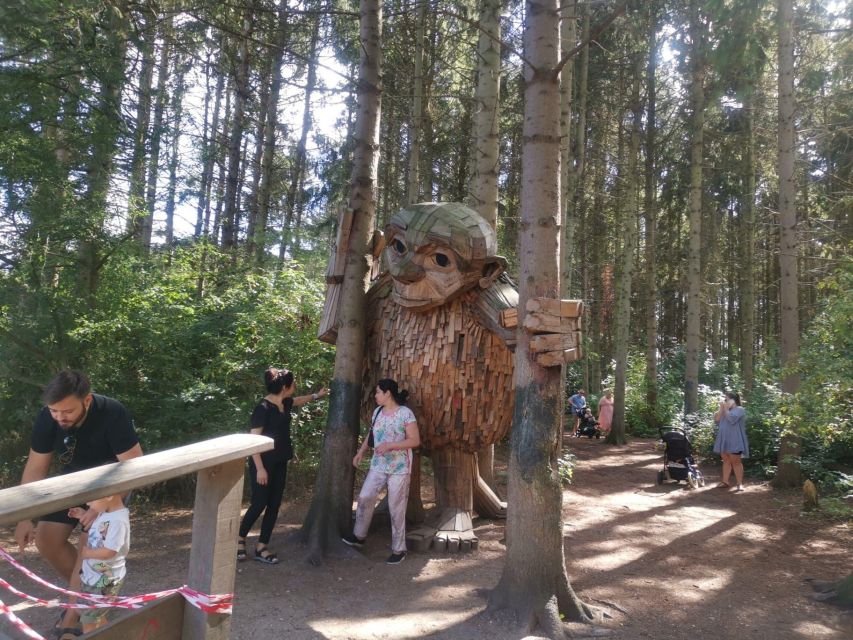
- Six sculptures, six different settings: Find giants on hillsides, under bridges, among trees, and beside open countryside.
- A smart way to cover ground: The private vehicle handles the long gaps between sites, with a roughly 25-minute drive from Copenhagen to the first area.
- A warm, personal guide: Milad Shekhzada leads in English and is known for thoughtful hosting, local details, and help with photos.
- Walking without a hard hike: Each stop includes walking, but the route is described as moderate rather than strenuous.
- A useful mid-tour pause: Coffee is included, and you can bring your own snacks and drinks for the break.
- Weather matters: Comfortable shoes, rain gear, an umbrella, water, and weather-ready clothes are sensible in Denmark.
Why these giants are worth leaving central Copenhagen
Thomas Dambo’s sculptures are not placed in a neat city square where you can tick them off in minutes. They are spread across the Zealand Region, often in outdoor places that make the search part of the art.
That setting changes the mood. You are not only looking at a large wooden figure. You are walking toward it through trees, across a park, up a slope, or beneath a bridge. The giant appears as a surprise in its surroundings, which gives the outing a playful, storybook quality without turning it into a theme-park show.
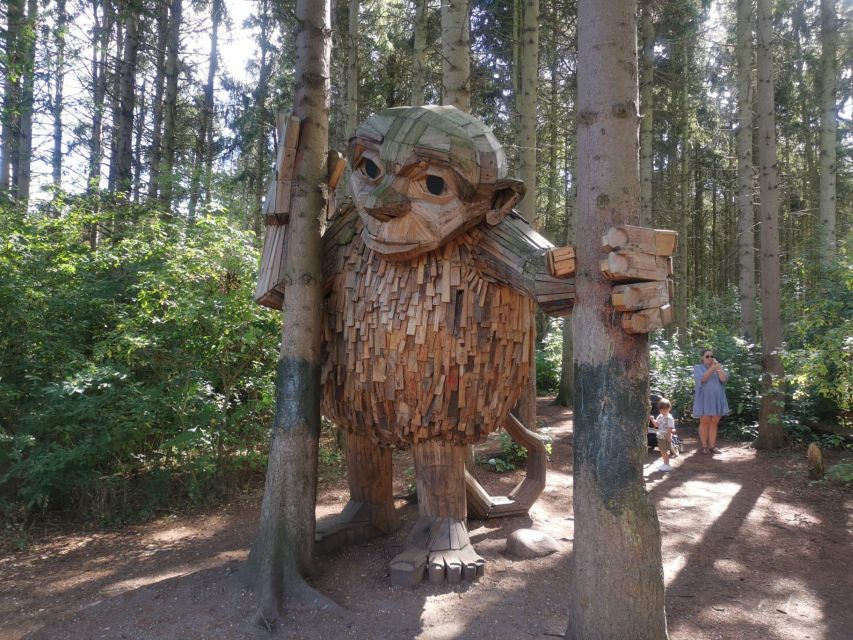
The sculptures are made from recycled materials, adding a useful environmental idea to the fun. Dambo’s work invites you to see discarded wood and overlooked outdoor spaces differently. The result is art that feels connected to its setting rather than shut away behind museum walls.
I especially like this choice for a second or third day in Copenhagen. After palaces, museums, canals, and busy streets, a half-day among woods and open views gives your trip a different rhythm. You still get a strong sense of place, but the place is the less familiar edge of the city and its surrounding countryside.
More six forgotten giants tours in Copenhagen:
- The Forest Tower and Forgotten Giants-A day tour from Copenhagen
★ 4.5 · 162 reviews - Copenhagen: The Forest Tower & Forgotten Giants Trolls Trip
★ 4.7 · 76 reviews - E-biking Central Forgotten Giants’ s Adventure
★ 4.5 · 75 reviews
Meeting Milad and getting beyond the city
The tour begins outside the YMCA Interpoint Hostel, where you meet Milad and the rest of the small group. After a short introduction, you board private transportation for the trip out of Copenhagen.
The initial drive takes about 25 minutes. That is long enough to leave the central streets behind, but not so long that the outing starts to feel like a full-day transfer. Along the way, Milad may add context about Danish life and the areas you pass through. His role is more than simply pointing out the next stop. He keeps the group together, answers questions, and checks that everyone is comfortable.
The six-person limit matters here. You can hear the guide easily, ask questions without interrupting a large crowd, and get a more natural social feel. Solo visitors may find it especially pleasant, since the van and walks create easy chances to talk with other people.
Private transportation also solves the biggest problem with doing this independently. The giants are far apart, and some are not easy to locate. You could spend much of your day working out connections and searching for the sculptures instead of enjoying the parks and woods around them.
Sleeping Louis and Hilltop Trine
The first two stops introduce the basic pattern of the outing. You leave the van, walk through an outdoor setting, and search for a giant that may be tucked into the surroundings rather than placed directly beside the road.
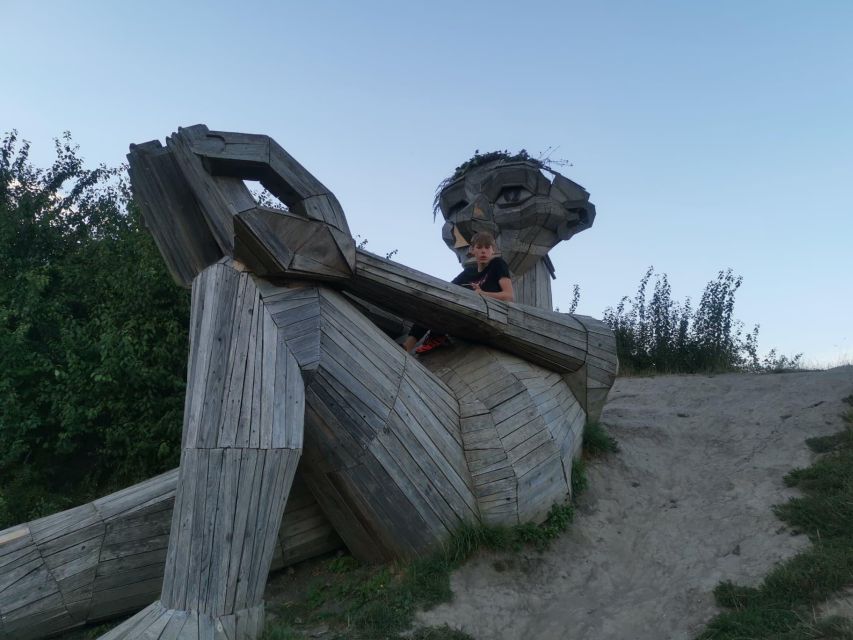
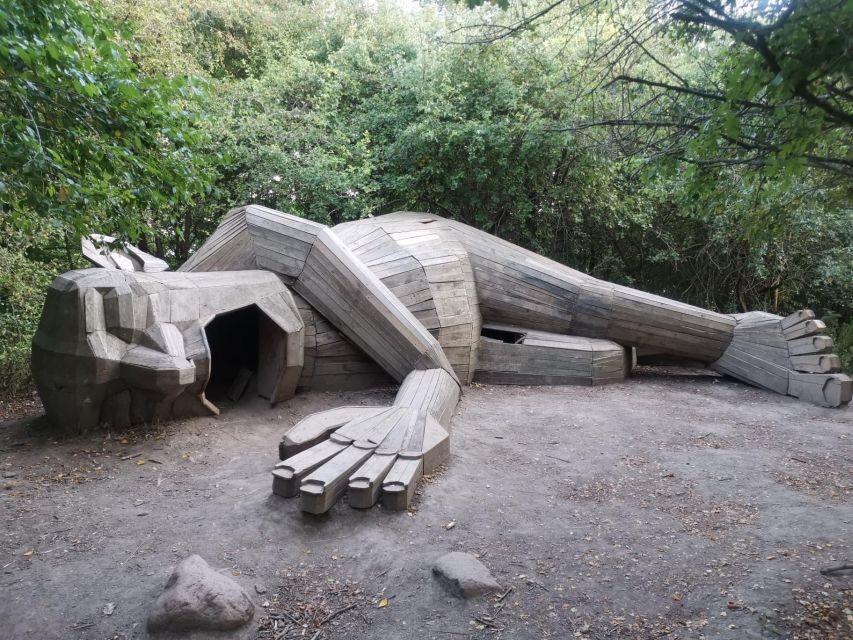
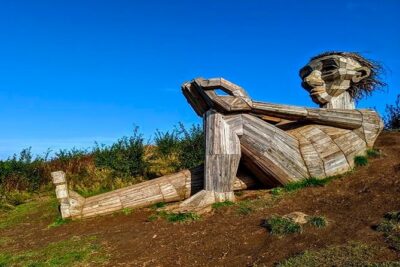
Sleeping Louis has a relaxed pose that suits the idea of a forgotten giant. He lies in the open rather than presenting himself like a formal monument, giving you time to walk around and take in the scale from different angles. This is one of the places where the sculpture’s position matters as much as its size.
Next comes Hilltop Trine, a figure with a strong viewpoint. The name hints at the appeal: this giant sits high enough to offer a broad view of the area. A hill adds a little more effort than flat ground, but the walks are generally described as manageable and not strenuous.
These first stops also help you settle into the pace. You are not expected to race from one sculpture to the next. Milad can explain the artist’s ideas, give you time for photos, and keep the walk comfortable for the group.
If you have limited mobility, ask yourself how comfortably you manage uneven outdoor paths and moderate walking before booking. The tour is suitable for all age groups in general, but that does not mean every person will find the walking easy.
Oscar Under the Bridge and the coffee break
Oscar Under the Bridge brings a change of mood. Instead of finding a giant on a hill or in an open park, you look beneath a bridge, where the structure and surrounding space become part of the surprise.
This is the sort of stop that makes the outing feel like a real hunt. You are not just following a standard city route. The locations have enough variety to keep the search fresh, and the sculptures often seem to interact with the places around them.
After the early stops, the tour includes a short coffee break. Coffee is included, and Milad has also been praised for bringing tea, biscuits, and other small snacks on some outings. The formal inclusions promise a coffee break, not a meal, so bring your own food if you need more than a light pause.
You may bring snacks and drinks with you. That is useful because the tour lasts four hours and includes several walks. A short rest beside a lake or in a park can be just what you need before the second half.
A few more Copenhagen trips to weigh up
- Private Walking Grand Tour of Copenhagen
★ 5.0 · 3,953 reviews - Copenhagen Highlights Walking Tour
★ 5.0 · 2,324 reviews - Politically Incorrect Private Highlights Walking Tour
★ 5.0 · 1,244 reviews - Copenhagen: Group Walking Tour – City Highlights – 2 Hours
★ 4.7 · 1,088 reviews
Thomas on the Mountain and Little Tilde
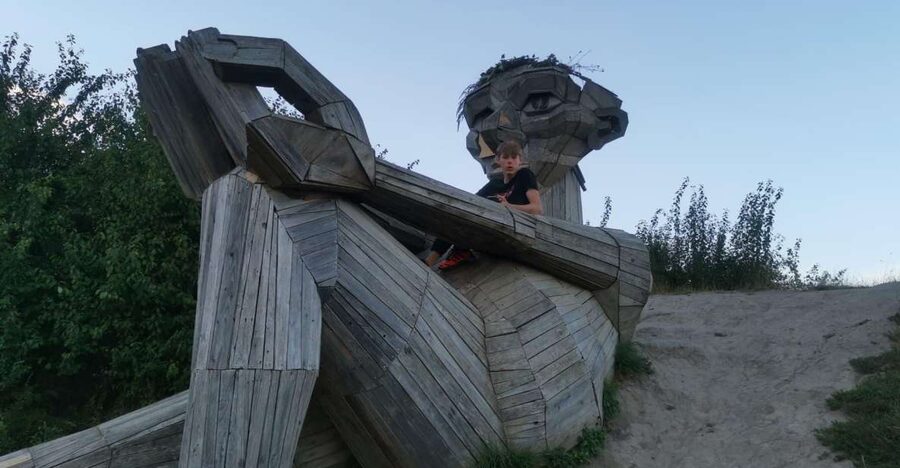
The route continues to Thomas on the Mountain, whose elevated position gives the stop a strong sense of scale. Reaching a giant on higher ground can make the sculpture look even more imposing, while the climb gives you a better feel for the surrounding countryside.
This part of the tour is likely to appeal most if you enjoy combining light exercise with sightseeing. You get out of the vehicle, stretch your legs, and spend time in natural settings rather than sitting for the entire four hours.
Little Tilde offers a gentler contrast. She is described as the cutest of the six, and her smaller character gives the group a different kind of photo opportunity. Not every giant needs to look grand or intimidating. Part of the fun is seeing how each figure has its own personality.
The walks are short enough to fit a half-day schedule, but do not mistake that for no walking. You may encounter grass, paths, hills, or uneven ground. Good shoes are more important than stylish ones, especially if the weather has been wet.
Milad’s pace is a strong part of the practical appeal. He has made a point of walking with people individually so they can ask questions, and he has adjusted for slower walkers. That kind of attention is hard to get on a large coach tour.
Teddy Friendly and the final stretch
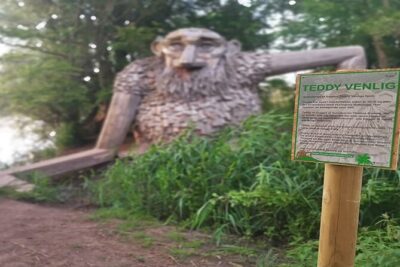
The last sculpture is Teddy Friendly, a name that tells you much of what to expect from its character. Like the other giants, Teddy sits in a natural setting and gives you another chance to see how recycled wood can become a warm, expressive figure.
By this point, you have seen six different locations and spent much of the morning or afternoon outside. The final stop completes the set, which matters if your goal is to see all six rather than just sample the project.
There is one fair criticism to consider. One person felt that the first four giants were enough for a single day and that the final two could have been skipped. That is not a problem for anyone determined to complete the hunt, but it is useful if you prefer a shorter outing with fewer stops.
The four-hour length works because the sculptures are spread out. The vehicle keeps the route moving, and the walking breaks prevent the trip from becoming a long drive. Still, if you are tired from a packed Copenhagen schedule, six sites may feel like a full half-day rather than a quick side trip.
The guide makes the difference
The strongest part of this tour is the way Milad hosts the group. He is described as friendly, patient, attentive, and easy to understand. He talks about Thomas Dambo, the sculptures, Denmark, and local life without making the outing feel like a formal lecture.
That balance matters. You want enough context to understand why the giants exist and why they were placed outdoors, but you also want time to enjoy the setting. Milad appears to handle both by answering questions, checking on the group, and leaving space for photos.
He may also help take pictures of you with the giants. That is a small service, but it is valuable for couples, solo visitors, and anyone who wants a proper photo rather than another selfie.
The group can become part of the pleasure. With only six participants, conversation is easier and the outing can feel like a shared walk with new friends. That social side is less predictable than the art itself, of course, but the small format gives it room to happen.
Is $137 a fair price?
At $137 per person, this is not the cheapest way to spend four hours near Copenhagen. The value depends on what you would otherwise need to arrange.
The price includes an English-speaking guide, private transportation, and coffee. More important, it covers the planning needed to reach six sculptures spread across different outdoor locations. If you tried to arrange the same route alone, you would need to solve the transport, find the sites, manage the timing, and work out the walking approaches.
That convenience is particularly useful if you are in Copenhagen for a short stay, visiting from a cruise, or traveling without a car. Several people have found that seeing more than one giant independently would be difficult. The private van turns a scattered project into one practical outing.
The price is less attractive if you only want one or two sculptures, dislike small-group excursions, or prefer to explore at your own pace. It also does not include meals, so budget for your own snacks or a meal before or after the tour.
For me, the strongest value is not the coffee. It is the combination of local transport, route planning, guide support, and access to places you might not find easily on your own.
What to wear and how to prepare
Denmark’s weather can shift quickly, even on a pleasant day. Pack a rain jacket or other rain gear, an umbrella, comfortable clothes, and shoes that can handle outdoor paths.
Bring water and snacks. You can carry your own drinks and food, and this gives you more control over the break, especially if you have dietary needs or simply get hungry after walking.
A simple checklist:
- Comfortable walking shoes
- Water bottle
- Snacks
- Umbrella
- Rain gear
- Weather-appropriate layers
- A phone or camera with spare battery power
The tour is conducted in English. Unaccompanied minors are not allowed. Free cancellation is available up to 24 hours before the start, and you can reserve now and pay later, which helps if your Copenhagen plans are still changing.
Who should book this outdoor art hunt?
I would choose this for anyone who wants a break from indoor sights and city streets. It suits couples, solo visitors, families with older children, and people who like photography, unusual public art, light walking, or local scenery.
It is also a good fit for anyone curious about Thomas Dambo’s wider project. Once you see how the giants work in their surroundings, you may want to look for his sculptures in other places.
I would be more cautious if you have walking difficulties, need fully accessible paths, or want a tour with no physical effort. The activity is open to all age groups, but the moderate walking remains part of the deal.
Weather should not automatically stop you. The outing can still work in rain if you bring proper clothing, although clear weather will make the views and photos better. One wet outing was still enjoyed with coffee and a picnic-style break, but comfort depends on preparation.
Should you book the Six Forgotten Giants Hunt?
Book it if you want to see all six giants efficiently and enjoy the parks, woods, hills, and countryside around them. Milad’s care, the small group, and the private van make this much easier than trying to piece the route together alone.
Skip it if your Copenhagen plan is already packed, if four hours of outdoor walking sounds tiring, or if you only want a quick look at one sculpture. For most people who like art with a sense of play, this is a memorable change of pace and a good use of half a day outside the center.
FAQ
Where does the tour meet?
Meet outside the YMCA Interpoint Hostel in Copenhagen.
How long does the experience last?
The tour lasts four hours.
How far is the first destination from Copenhagen?
The initial drive to the destination takes about 25 minutes.
How many giants will I see?
You will visit all six Forgotten Giants: Sleeping Louis, Hilltop Trine, Oscar Under the Bridge, Thomas on the Mountain, Little Tilde, and Teddy Friendly.
Who leads the tour?
The experience provider is Milad Shekhzada.
What language is the tour conducted in?
The live tour guide speaks English.
How many people are in the group?
The group is limited to six participants.
Is transportation included?
Yes. Private transportation is included between the giant locations.
Is food included?
Meals are not included. Coffee is included, and you may bring your own snacks and drinks.
Is the tour suitable for people with walking difficulties?
The activity involves moderate walking and may not suit people with walking difficulties or other physical limitations. Comfortable shoes are required.
What happens if the weather changes?
You should bring an umbrella, rain gear, and weather-appropriate clothing because Danish weather can be unpredictable.
Can I cancel my booking?
You can cancel up to 24 hours in advance for a full refund. You can also reserve now and pay later.
Just added around Copenhagen
- Urban Design and Livability E-bike Tour★ 4.8 · 21 reviews
- Full-Day Tour; Castle, Palace & Cathedral, Winter(JAN-MAR)★ 5.0 · 11 reviews
- a day at North Zealand Castle Tour★ 4.5 · 19 reviews
- The Philosopher’s Last Walk: An audio tour on the life of Søren Kierkegaard★ 4.5 · 5 reviews
- The Six Forgotten Giants Trolls Hunt with Minibus★ 4.5 · 27 reviews
- Copenhagen Walking Tour with Food Testing (smorrebrod dish & snap)★ 4.5 · 10 reviews
- The Forgotten Giants Private Tour★ 5.0 · 3 reviews
- Explore the Instaworthy Spots of Copenhagen with a Local★ 3.5 · 3 reviews
Six Forgotten Giants Tours, compared.
The Forest Tower and Forgotten Giants-A day tour from Copenhagen
Read our review →
The Forest Tower & Forgotten Giants Trolls Trip
Read our review →
The Six Forgotten Giants Trolls Hunt with Minibus
Read our review →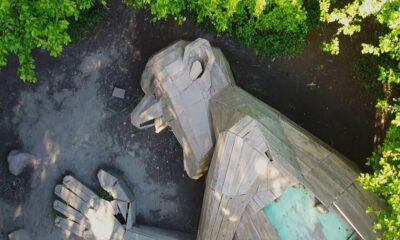

Browse the lists this tour appears in