
Reviewed · CHRISTIANSBORG PALACE TOURS
Copenhagen: Christiansborg Palace Entry Ticket
Christiansborg Palace gives you an unusual look at Denmark’s working center of power. You can move from the Great Hall and Throne Room to real royal stables, then go underground to see the remains of earlier castles. I especially like having all five palace areas covered by one ticket, and I like that you can explore at your own speed rather than follow a fixed tour. The main drawback is that the buildings are spread around the palace grounds, and some sections may close before the official 17:00 closing time.
At $35, this is not a quick stop. It earns its price only if you plan to see several parts of the complex. The concise audio app helps explain what you are seeing, while staff can point you toward entrances. Bring patience, arrive early, and leave room in your schedule for the Royal Kitchen, Stables, and ruins.
Key points at a glance
- One ticket covers five sites: Visit the Royal Reception Rooms, Great Hall, Queen’s Tapestries, Royal Stables, Royal Kitchen, and ruins beneath the palace.
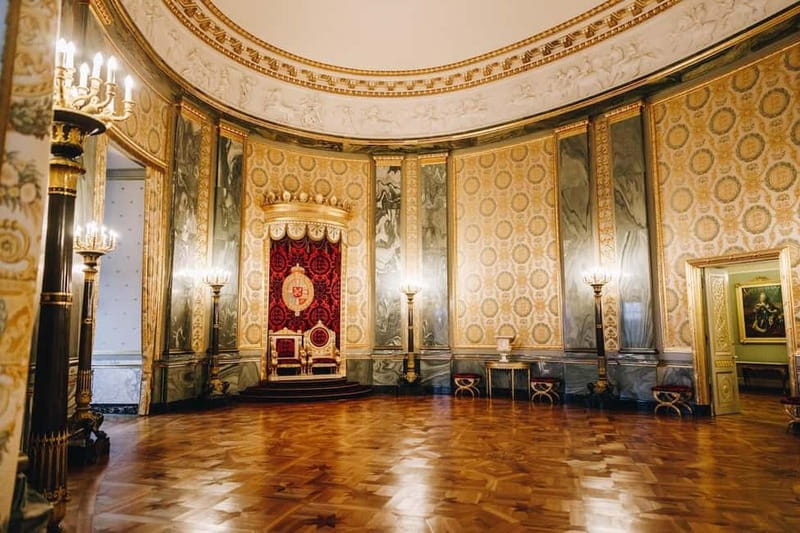
- The Great Hall is the visual highlight: Its grand scale and royal decoration make it the strongest indoor stop.
- The palace is still politically active: The Folketing, Prime Minister, High Court, and royal reception rooms operate within the complex.
- The ruins add real depth: Underground remains connect today’s palace with more than 800 years of buildings on Slotsholmen.
- You can see royal horses: The Royal Stables bring the palace story down to an everyday, living scale.
- Plan around the clock: Last entry is 16:30, but certain areas can close around 16:00.
Why Christiansborg feels different from a standard palace visit
Many royal residences are preserved as grand homes. Christiansborg is different. It is both a palace and an active government site, with the Folketing using most of the rooms and the Prime Minister, High Court, and royal reception rooms also located here.
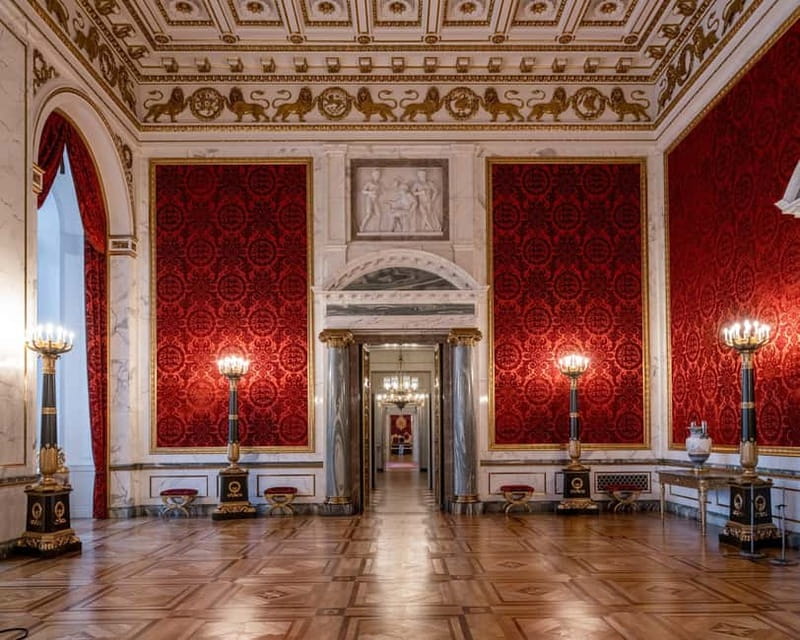
That gives the visit a useful sense of purpose. You are not looking at a house that has been frozen in time. You are seeing the ceremonial rooms used for state visits, audiences, and official events, while Danish political life carries on elsewhere in the same complex.
The site has been the country’s center of power since the early 1400s. The current palace is the third Christiansborg built here. The first palace, completed between 1734 and 1745, burned in 1794. A second palace was finished in 1828 and burned again in 1884. The present building took shape between 1907 and 1928.
I like this backstory because it changes how you read the rooms. The palace is not one perfectly preserved medieval building. It is a sequence of royal ambitions, disasters, rebuilding projects, and changing ideas about government.
More christiansborg palace tours in Copenhagen:
- Copenhagen City & Christiansborg Palace Private Walking Tour
★ 4.6 · 23 reviews - walking tour – Copenhagen and Christiansborg 3 hours
★ 4.0 · 7 reviews - The Murder by Christiansborg Palace: Interactive Mystery Hunt
★ 4.5 · 4 reviews
The Royal Reception Rooms and the Great Hall
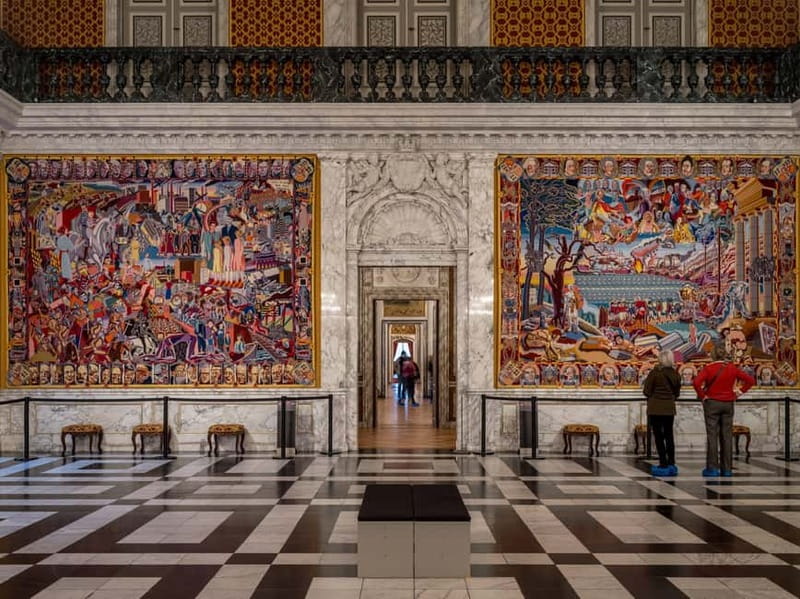
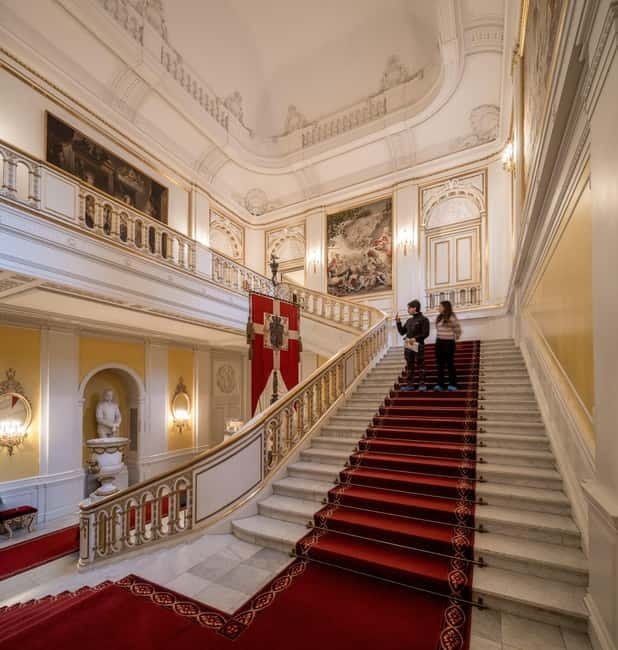
Start with the Royal Reception Rooms if you want the most polished part of the visit. This is where the palace presents its formal face, with ceremonial rooms designed for important royal moments rather than ordinary domestic life.
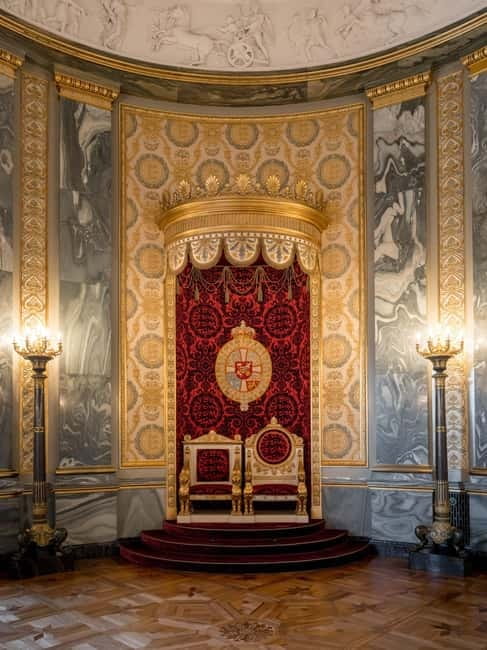
The Great Hall is the natural centerpiece. Its size and decoration give you the grandeur promised by the ticket, and it is the room most likely to make you pause. The Queen’s Tapestries add a strong visual and historical element, turning the room into more than a grand space for receptions.
You can also enter the Throne Room, where the atmosphere is more ceremonial than cozy. That distinction matters. Christiansborg is not trying to show you how a royal family ate breakfast or spent a quiet evening. It is showing you how monarchy presents itself to a nation and to visiting officials.
Photography is allowed in the rooms, which is a welcome practical detail. You can take your time with the decoration instead of rushing to capture one picture before moving on. The displays provide enough explanation to give you an overall picture of Danish royalty, its customs, clothing, and possessions without turning every room into a long lecture.
The audio app is concise and educational. I would use it selectively, focusing on the rooms and objects that catch your attention. If you listen to everything word for word, your visit may feel slower than necessary. If you skip it entirely, you lose some of the political and royal context that makes the palace more meaningful.
The Royal Stables and their living occupants
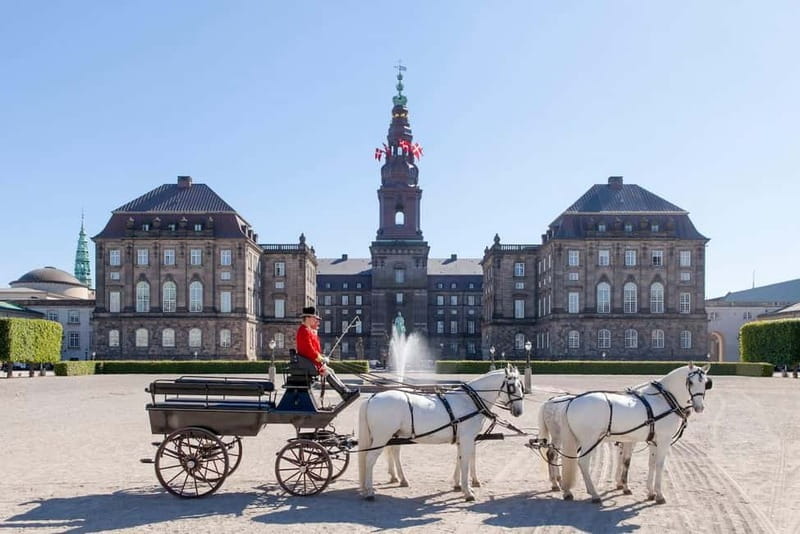
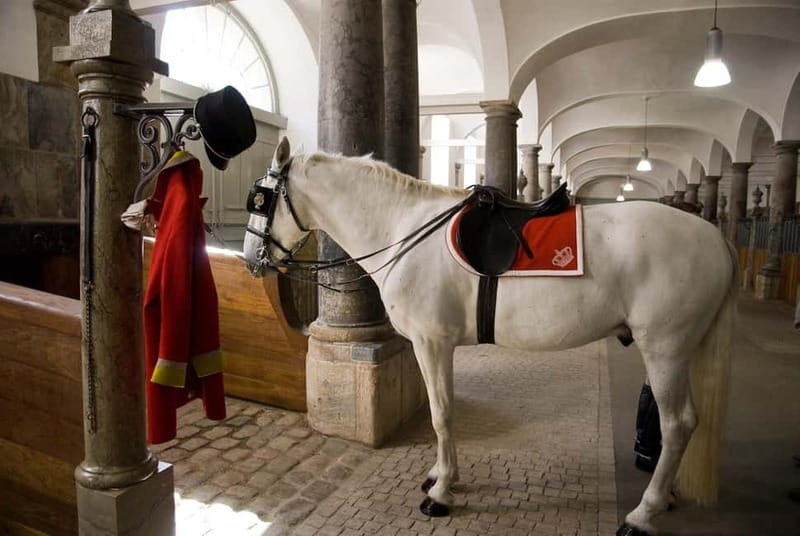
The Royal Stables offer a welcome change after the formal rooms. Here, the palace story becomes practical. You see the place connected with royal horses, including the white horses that have become one of the memorable parts of the visit for many people.
The stables are especially good for families and anyone who finds grand interiors a little distant. Real horses give the building a sense of daily use. You are not simply looking at furniture and decoration. You are seeing an ongoing part of royal tradition.
The setting can be cold and windy, particularly on a winter day. Keep that in mind when planning your clothing and pace. The stables are not just another warm indoor gallery, so you may want to visit them earlier if the weather is unpleasant.
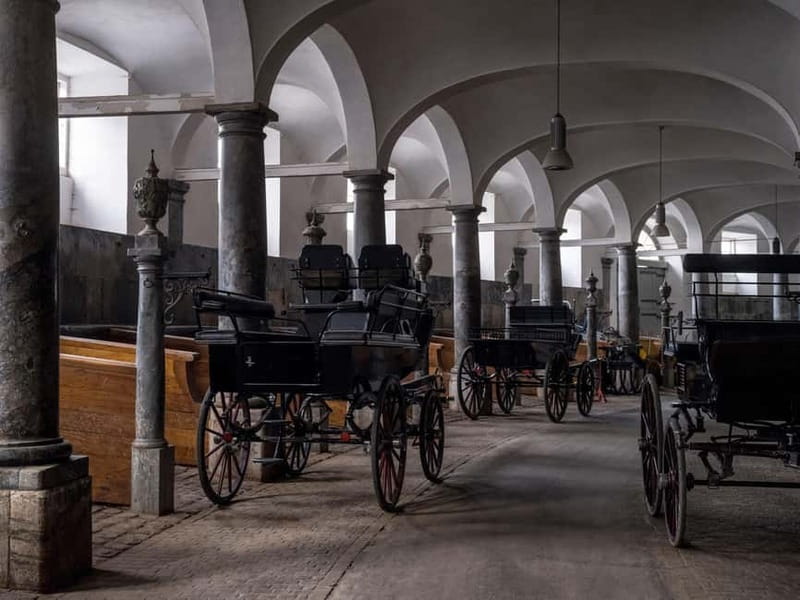
This stop also helps explain the scale of royal ceremony. A palace procession requires more than a throne room. Horses, carriages, staff, kitchens, and storage all support the public image seen in the reception rooms. The Stables show the working side of that image.
The Royal Kitchen, where ceremony becomes work
The Royal Kitchen gives you another useful counterpoint to the reception rooms. Grand dinners and formal events depend on a large amount of preparation, and this area lets you think about the labor behind the royal display.
I would not treat the kitchen as a minor extra. It helps make the palace feel more complete. After seeing the finished rooms, you can consider how food, service, and organization supported official occasions.
The kitchen is also a good stop if you prefer practical history to portraits and ceremonial objects. The presentation is organized and clear, with explanations that give you an overall understanding without overwhelming you.
Because each area has its own entrance, pay attention to signs and ask an employee for directions if needed. The palace grounds are not difficult to understand once you get your bearings, but the ticket does not mean every section opens directly into the next one.
A few more Copenhagen trips to weigh up
- Copenhagen: Home of Carlsberg Experience Entry Ticket
★ 4.7 · 1,009 reviews - Copenhagen: National Museum of Denmark Entry Ticket
★ 4.5 · 960 reviews - Copenhagen: Copenhagen Zoo Entry Ticket
★ 4.6 · 708 reviews - Copenhagen Bus and Boat ticket, Valid 48 Hours
★ 4.0 · 565 reviews
The 800-year-old ruins below the palace
The ruins are the most important stop for understanding why Christiansborg matters. Beneath the present building, you can see remains connected with the earlier castles on Slotsholmen. This is where the palace’s long story becomes visible in stone.
The underground setting feels very different from the decorated rooms above. Instead of polished surfaces and royal ceremony, you get foundations, fragments, and evidence of buildings that came before. It is a strong reminder that Copenhagen’s seat of power has been rebuilt more than once.
I would place the ruins high on your list even if you are mainly interested in the royal interiors. They give the visit a time scale that the modern rooms cannot provide on their own. The first Christiansborg was built in the 18th century, but the site reaches back much further, with more than 800 years of history beneath today’s palace.
Take your time here. The ruins reward close looking more than quick photography. The preservation work lets you connect the visible palace with earlier structures rather than treating the current building as an isolated monument.
Christiansborg Chapel and the palace grounds
The Palace Chapel is free to enter and open on Sundays. It is not part of the paid ticket in the same way as the other areas, so check the day of your visit before building your plan around it.
The chapel offers a quieter change of mood after the larger reception rooms, stables, kitchen, and ruins. If you are visiting on Sunday, it is worth adding, especially if you enjoy religious architecture and royal ceremonial spaces.
The palace grounds also give you somewhere to slow down. A garden area provides a place to relax after the indoor visit, which is useful because the full ticket can easily take several hours. I would avoid treating Christiansborg as a fast photo stop. The value comes from combining the different parts.
One practical point: the five paid areas are not arranged as one simple route. You need to walk around and locate each entrance. Signs help, and staff can direct you, but leave time for this movement rather than arriving close to closing.
How much time you should allow
The ticket is valid for one day, not just one timed entry. That gives you flexibility. You can visit the main rooms, take a break, and return to another section later in the same day, subject to opening hours and any official palace events.
I would plan at least two to three hours if you want a worthwhile visit. That allows time for the Royal Reception Rooms, Great Hall, Stables, Kitchen, and ruins without racing through them. Add more time if you use the audio app carefully or want to study the decoration and exhibits.
Do not arrive near the end of the day. The palace closes at 17:00, and last entry is 16:30. Some areas may close at 16:00, so a 15:30 arrival is not a sensible plan if you want to see everything.
An earlier start also gives you more freedom to handle the scattered entrances. The palace can be quiet at times, which makes the rooms easier to appreciate and avoids the pressure of moving in a packed crowd.
What the $35 ticket really buys you
At $35 per person, this ticket is best judged as a package rather than a single palace-room admission. You are paying for access to several distinct experiences: formal rooms, a living stable, a working kitchen, archaeological remains, and the chapel on Sundays.
If you visit only the Great Hall and leave, the price will feel high. If you see all the main areas, it becomes easier to justify. The ruins and Stables are particularly important to the value because they offer something different from the standard royal palace circuit.
The ticket also saves you from choosing one section and missing the others. You can decide on the day which parts deserve more time. That flexibility is useful if your interests change once you are inside.
The visit is self-guided. No guided tour is included, so you should not expect a guide to lead your group from room to room. The audio app supplies concise background, and employees can help with directions. If you want a long narrative with detailed interpretation at every stop, this is not the right format.
Who will enjoy this palace ticket most
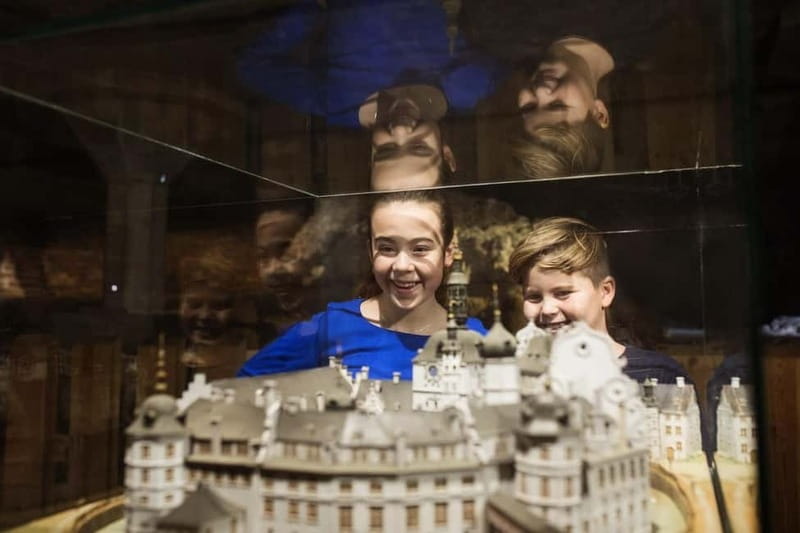
I would recommend Christiansborg to you if you like royal history, architecture, political institutions, or places where the past still has a practical role. It also suits families because the horses, kitchen, and underground ruins break up the formal rooms.
The ticket works well for an independent visitor who prefers to choose a pace. You can linger over the rooms that interest you and move quickly through displays that do not. Photography in the rooms gives you another reason to slow down.
It is less suitable if you want a short, tightly directed tour or a fully guided experience. The complex requires some walking between entrances, and the full visit rewards planning. People with limited time should choose their priorities in advance, with the Great Hall, Reception Rooms, and ruins near the top.
The palace also suits repeat visitors to Copenhagen. Its combination of current government, royal ceremony, and earlier foundations gives it more depth than a quick look at the exterior suggests.
Practical details before you go
Food and drinks are not allowed inside. Large bags, luggage, backpacks, baby strollers, and baby carriages are also not permitted. Assistance dogs are allowed, but other pets are not.
If you are carrying a large bag, sort that out before arriving. The restrictions can affect your whole day, especially if you are visiting with luggage between hotels or transport connections.
The booking offers free cancellation up to 24 hours before the visit, and you can reserve now and pay later. The booking information describes a small group limited to nine participants, but the palace visit itself is not a guided group walk. Think of this as flexible entry with self-guided exploration.
Christiansborg remains active for state visits, audiences, and official events. A booking may need to change or be canceled if palace business takes priority. It is wise not to build an unchangeable schedule around the visit, particularly if your Copenhagen stay is very short.
Should you book Christiansborg Palace?
Book it if you can give the complex several hours and want more than a pretty royal interior. The Great Hall, Royal Stables, and underground ruins make a strong combination, while the kitchen and chapel add useful variety.
Skip it if you have only enough time for one quick sight or if you require a guided tour. At $35, the ticket makes sense when you see most of what it covers. Arrive early, use the audio app where helpful, ask staff for directions, and treat the palace as a working institution rather than a single museum room. That approach gives you the fullest value.
FAQ
How much does the Christiansborg Palace ticket cost?
The ticket costs $35 per person.
How long is the ticket valid?
The ticket is valid for one day.
What areas does the palace ticket include?
It includes the Royal Reception Rooms, the Great Hall with the Queen’s Tapestries, the Royal Kitchen, the Royal Stables, and the ruins beneath Christiansborg Palace.
Is Christiansborg Chapel included?
The chapel is free to enter and is open on Sundays. The paid palace ticket covers the other listed palace areas.
Is a guided tour included?
No. A guided tour is not included. The visit is self-guided, and an audio app provides concise explanations.
What time is the last entry?
Last entry is at 16:30. The palace closes at 17:00, and some areas may close around 16:00.
Can palace events affect my visit?
Yes. Christiansborg is an active palace used for state visits, audiences, and official events. An official event may require a booking to be changed or canceled.
Can I bring a backpack or large bag?
No. Backpacks, luggage, large bags, baby strollers, and baby carriages are not allowed.
Can I bring food or drinks?
No. Food and drinks are not allowed inside the palace.
Are pets allowed?
Pets are not allowed, although assistance dogs are permitted.
Just added around Copenhagen
- Urban Design and Livability E-bike Tour★ 4.8 · 21 reviews
- Full-Day Tour; Castle, Palace & Cathedral, Winter(JAN-MAR)★ 5.0 · 11 reviews
- a day at North Zealand Castle Tour★ 4.5 · 19 reviews
- Copenhagen Walking Tour with Food Testing (smorrebrod dish & snap)★ 4.5 · 10 reviews
- The Philosopher’s Last Walk: An audio tour on the life of Søren Kierkegaard★ 4.5 · 5 reviews
- The Six Forgotten Giants Trolls Hunt with Minibus★ 4.5 · 27 reviews
- The Forgotten Giants Private Tour★ 5.0 · 3 reviews
- Explore the Instaworthy Spots of Copenhagen with a Local★ 3.5 · 3 reviews
Christiansborg Palace Tours, compared.
Copenhagen City & Christiansborg Palace Private Walking Tour
Read our review →
walking tour – Copenhagen and Christiansborg 3 hours
Read our review →
The Murder by Christiansborg Palace: Interactive Mystery Hunt
Read our review →
Copenhagen & Christiansborg Palace Private Walking Tour
Read our review →Browse the lists this tour appears in