
Reviewed · MUSEUMS
Copenhagen: National Museum of Denmark Entry Ticket
The National Museum brings 14,000 years of Danish history into one grand visit, from Stone Age remains and Bronze Age treasures to Viking voyages and modern Danish life. The Viking Sorceress exhibition is the star for many visitors, with objects and scenes tied to Norse belief, the Eddas, and the sagas.
I like the freedom to set your own pace, and I like the sheer range: ancient Danish finds sit alongside stories of explorers and cultures from around the world. The catch is simple: there is a lot to see, and the layout can feel confusing. Plan your targets before you start, or you may still be racing through rooms at closing time.
Key points to know before you go
- See the Viking Sorceress exhibition: Explore the world of the Völva, Viking Age magic, prophecy, and Norse belief through objects and atmospheric displays.
- Travel from the Stone Age to modern Denmark: The collections cover roughly 14,000 years, with major Bronze Age and Viking material along the way.
- Set your own schedule: This is an entry ticket, not a guided tour, and it is valid for 365 days.
- Allow at least two to three hours: Four or five hours is a better plan if you want to see the museum without hurrying.
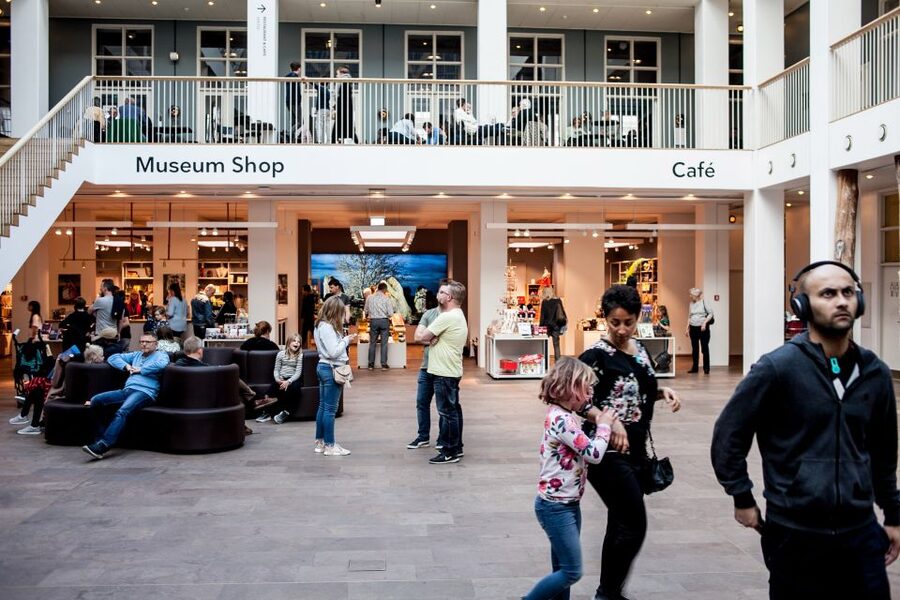
- Use the cafe and shop as part of the visit: Both receive strong praise, and the cafe makes a long museum day easier.
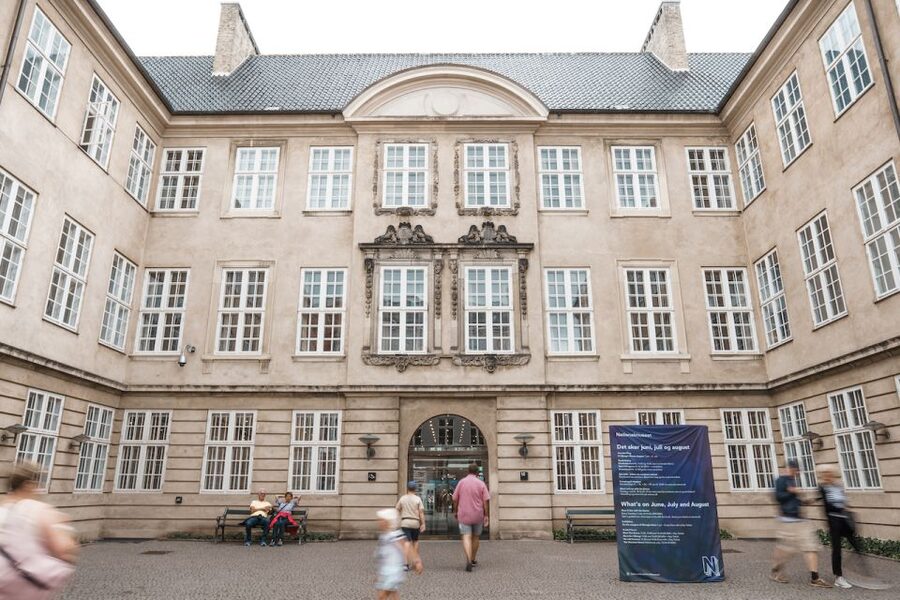
- Expect a central Copenhagen stop: Show your voucher at the museum ticketing desk, with the museum close to Christiansborg and easy to reach from the station.
Why the National Museum earns a place in your Copenhagen plan
If you want one museum to explain Denmark from its earliest settlements to the age of the Vikings and beyond, this is the sensible choice. You are not coming for a single famous painting or one grand room. You are coming for a long sequence of objects that show how people lived, worshipped, traded, travelled, and understood the world.
The collection gives you a useful national framework. The Stone Age and Bronze Age sections show Denmark before written records, while the Viking displays connect local finds with the wider world reached by Norse sailors. Later rooms bring the story forward through Danish society, culture, and exploration.
I would not treat this as a quick one-hour attraction. You can make a short visit work, especially if the Viking material is your main goal, but the museum rewards time. Two or three hours lets you see the main sections at a brisk pace. Four or five hours gives you room to read labels, pause at the more important objects, and take a proper break.
The museum has an average rating of 4.5 from 960 reviews, and that high score makes sense when you consider the range. It works for first-time visitors who want context, history fans who want archaeological objects, families looking for an indoor stop, and anyone needing a substantial rainy-day plan in Copenhagen.
A few more Copenhagen trips to weigh up
- Exhibition – Home of Carlsberg
★ 4.5 · 281 reviews - Copenhagen: MACA Museum: Banksy & Street Art Entry Ticket
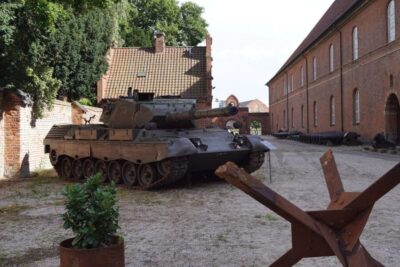
★ 4.5 · 142 reviews - Copenhagen: Danish War Museum Entry Ticket
★ 4.7 · 106 reviews
Start with the Stone Age and Bronze Age
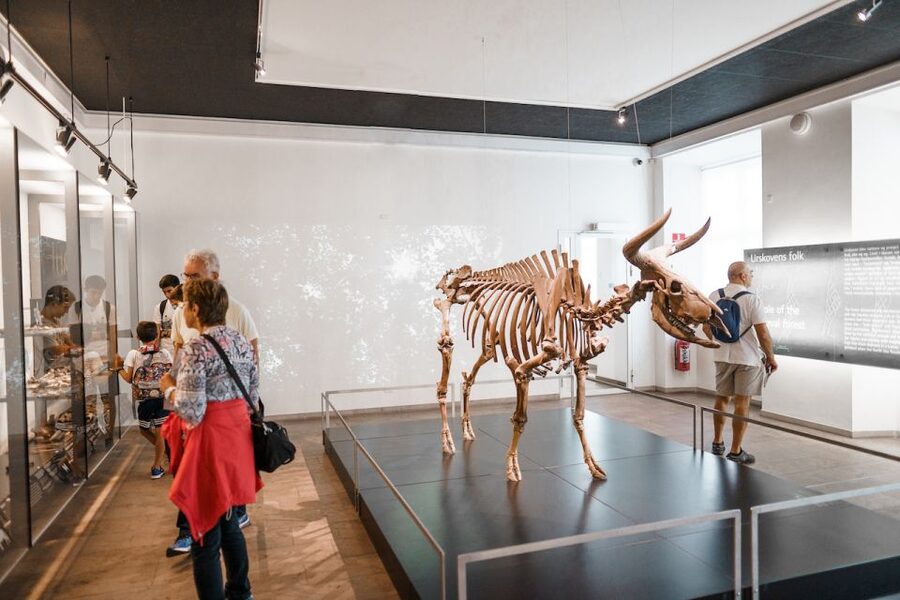
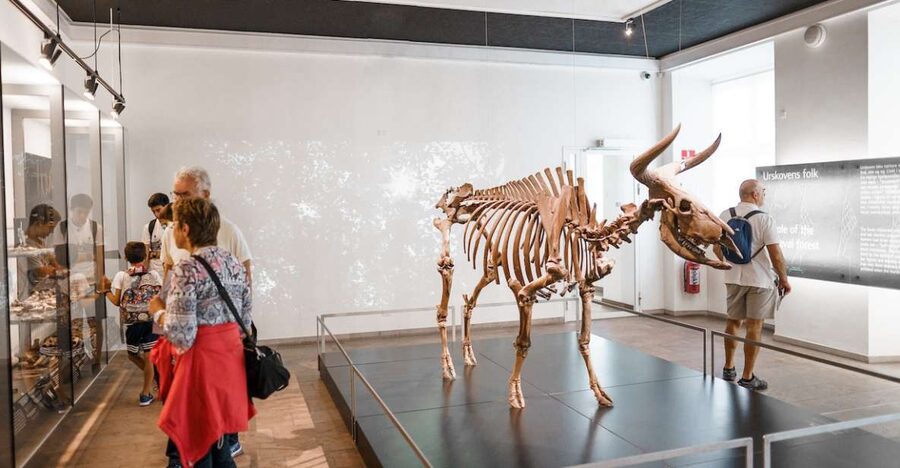
The earliest collections give the museum its time scale. You begin far before the Viking Age, with remains and objects connected to Stone Age life and the Bronze Age. This is where you see how much Danish history exists before the familiar image of longships and raiders.
The ancient objects are valuable because they make the past physical. Instead of hearing only broad dates, you can look at tools, ritual items, weapons, and everyday remains connected to people who lived thousands of years ago. Some displays reach back around 6,000 years, giving you a clear sense that the Viking story is only one chapter.
The Bronze Age material is a major highlight. Look for the large curved horns known as lurs, along with the sun chariot and helmets. These are the objects that can turn a history lesson into a memorable visit because of their shape, age, and visual force.
The galleries may not follow a perfectly obvious route. Several rooms join together, and you can lose track of where you are in the overall story. I recommend checking the museum plan at the beginning and deciding if you want a full chronological walk or a short list of priority sections.
Meet the Vikings and the Völva
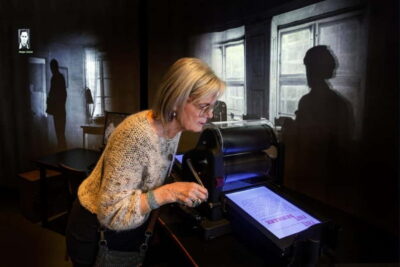
The Viking displays are the main reason many people choose this museum, and the Viking Sorceress exhibition gives the visit a focused center. The Völva was a powerful female figure associated with prophecy and magic in the Viking Age. The exhibition explores her place in Norse society and the relationship between Viking belief, the present, and the future.
Expect more than a case of weapons and jewelry. The exhibition uses objects, scenes, and references to the Eddas and sagas to create a clearer picture of the spiritual world behind Viking culture. That approach helps you see the Vikings as people with complex religious ideas, not just sailors and fighters.
The displays connected with Viking sorceresses are especially useful for anyone interested in Norse mythology. You can examine the objects linked with these practices and consider how belief shaped status, fear, and authority. The exhibition also gives the Viking galleries an atmospheric quality that some of the more traditional rooms lack.
The audio material for the Viking Sorceress section may not satisfy everyone. If you prefer strong narration, you might find the spoken explanation less useful than the objects and written displays. A free docent tour has also been available at times, and one visitor found it excellent, but you should check what is offered on the day rather than build your entire visit around it.
Special exhibitions can change. The Viking Sorceress display was a major attraction in recent visits, along with a separate interactive vampire exhibition. Treat those as timely reasons to go, but check current museum information if one particular exhibition is essential to your plans.
Follow Danish explorers beyond the Viking Age
The museum does not stop with the Vikings. It also presents Danish explorers and the wider movement of people, ideas, and objects across the world. This broadens the visit beyond a single national story.
The explorer material is most useful when you have already seen the earlier galleries. After Stone Age settlement and Viking voyages, you can follow how Danish curiosity and travel continued in later periods. The museum also documents intangible cultural heritage, so the focus is not only on things behind glass. It includes the beliefs, practices, and stories that give those objects meaning.
This wider scope can be both a strength and a weakness. You get a larger picture of Denmark and its place in the world, but the museum can feel less tightly focused than a smaller archaeological museum. One section may appeal strongly to you while another feels like background material.
If your Copenhagen stay is short, decide what you want from the museum. For Danish archaeology, give priority to the Stone Age, Bronze Age, and Viking rooms. For a broader cultural visit, continue through the later galleries and international displays. You do not have to see every case to get real value from the ticket.
Same city, a completely different kind of day:
- Copenhagen Card-Discover: 80+ Attractions & Public Transport
★ 4.6 · 5,351 reviews - Copenhagen: Hop-On Hop-Off Bus Tour with Boat Tour Option
★ 3.9 · 4,122 reviews - Private Walking Grand Tour of Copenhagen
★ 5.0 · 3,953 reviews - From Copenhagen: Lund and Malmö 2-Country Tour
★ 4.7 · 3,807 reviews
A self-guided visit that lets you choose your pace
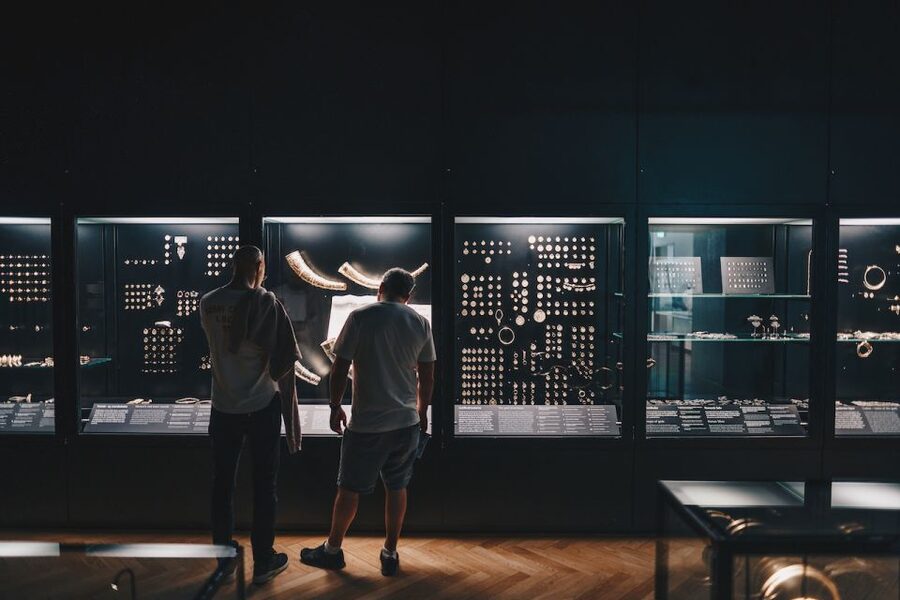
Your ticket provides entry rather than a private guide. You show your voucher at the ticketing desk, then explore independently. That arrangement suits me because I can spend twenty minutes with a major object or move quickly through a section that does not hold my attention.
The self-guided format is also practical for mixed groups. One person can focus on Viking religion, another can read about Danish society, and children can spend time in the designated kids area. You can meet later without forcing everyone to follow the same rhythm.
The tradeoff is that the museum does not always explain itself through a single smooth route. Some visitors find the organization clear, while others lose their bearings among the adjoining rooms. I would begin with the headline displays, then use the remaining time for side galleries.
A highlight audio tour has been used by visitors who wanted help choosing what to see. That can be a good middle ground between wandering without a plan and joining a formal tour. Still, the ticket itself does not promise a guide or a fixed itinerary, so expect to manage your own visit.
How long you need, and when to take a break
The ticket is valid for 365 days, which gives you unusual flexibility. You can book ahead without tying yourself to a narrow travel date, and the long validity may help if your Copenhagen plans change. The listed price is $21 per person.
At that price, the museum offers good value if you spend half a day there. A two-hour visit can still work, but the cost feels stronger when you use the ticket as a substantial indoor activity rather than a quick stop between sights. If you are staying only a few days, compare it with Copenhagen’s other major attractions and choose it because you want history, not simply because it is centrally located.
A practical schedule looks like this:
- Spend the first 30 to 45 minutes on the earliest Danish material.
- Give at least 45 minutes to the Bronze Age and its major objects.
- Set aside 45 minutes or more for the Viking galleries and Viking Sorceress.
- Use your remaining time for explorers, international culture, and later Danish history.
- Stop at the cafe before you leave if you have planned a longer visit.
Five hours is not excessive if you read carefully. One visitor spent five hours and still had to hurry through a floor before closing. Another found two to three hours enough at a faster pace. Your ideal length depends on whether you examine every display or focus on highlights.
You will also be on your feet for much of the visit. A break matters, especially if you are travelling with children or have already spent the morning walking around Copenhagen.
Cafe, shop, lockers, and family practicalities
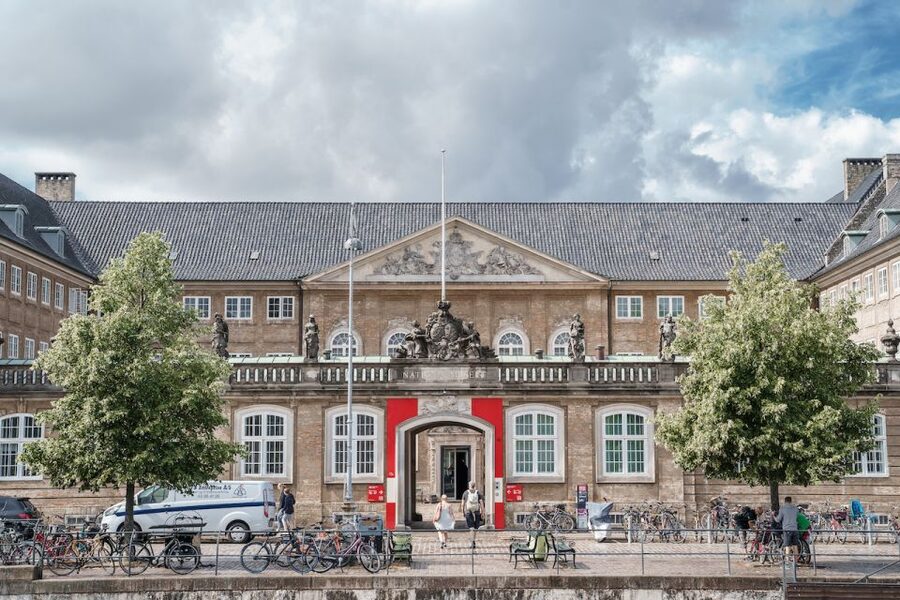
The cafe is one of the museum’s useful extras. It has been praised for its food, atmosphere, and range of choices, making it a sensible place for lunch or a cup of coffee during a long visit. You do not need to leave the museum simply because you need a rest.
The shop is another temptation. It carries appealing history and mythology items, especially for anyone drawn to the Viking displays. Set a spending limit before you enter if you are trying to keep your Copenhagen budget under control.
Facilities include lockers for personal belongings, a wardrobe for jackets, clean toilets, and an area for children. Wheelchair access is available. One practical complaint concerns the number of toilets, with queues reported at busy times, so do not wait until the last minute if you need a break.
For children, the dedicated area helps, but the full museum can be a lot to take in. Many rooms contain objects that are not enclosed in cases, so you will need to keep an eye on young children. Older children with an interest in Vikings, myths, or ancient objects are likely to get more from the visit than very young children facing several hours of labels and display cases.
What can make the visit frustrating
The museum’s scale is its biggest weakness. You may enter with the idea of seeing the Viking collection, then discover several floors and adjoining rooms competing for your time. Without a plan, it is easy to spend too long early on and rush the sections you most wanted to see.
Wayfinding is another concern. The layout is generally well presented, but it does not always flow in a simple line. I would ask at the desk where the Viking Sorceress exhibition is located and identify the main route before moving into the galleries.
The museum also varies in style. Some exhibits are traditional and information-heavy, while the Viking Sorceress display and the vampire exhibition use more interactive or theatrical methods. If you prefer hands-on displays throughout, parts of the museum may feel quiet and old-fashioned.
The institution is focused on cultural history rather than a broad art collection. Art lovers looking for a large painting collection may prefer Copenhagen’s dedicated art museums. The National Museum is strongest when you want archaeology, society, mythology, and Danish history in one place.
Is the $21 ticket good value?
For a visitor interested in Denmark’s past, yes. The ticket gives you access to a large collection, and the 365-day validity removes much of the risk of booking too early. You can also cancel up to 24 hours before the visit for a full refund, and a reserve-now, pay-later option is available.
The value depends on your available time. If you have only one free hour and several Copenhagen sights still on your list, this may not be the best choice. If you can spare half a day, the price compares well with the amount of material on display.
I especially like the ticket for a first visit to Denmark because it provides a chronological introduction. You can see the country through its earliest settlements, famous Bronze Age objects, Viking beliefs, later explorers, and changing society. That context can make the rest of your Copenhagen sightseeing more meaningful.
Should you book the National Museum of Denmark?
Book it if you want archaeology, Vikings, and Danish culture in one central museum, or if you need a strong indoor activity for several hours. Make the Viking Sorceress exhibition your first target, then use the early Danish galleries to understand the country before and during the Viking Age.
Skip it if your Copenhagen schedule is packed and you are unlikely to stay more than two hours, or if your main interest is fine art. For everyone else, the $21 ticket is a sensible buy, especially with flexible validity, a good cafe, family facilities, and enough material to fill a half-day without feeling rushed.
FAQ
How much does admission to the National Museum of Denmark cost?
The listed price is $21 per person.
How long is the ticket valid?
The ticket is valid for 365 days. You should check availability for the available starting times.
What is included with the ticket?
The ticket includes entry to the National Museum of Denmark.
Where do I show my voucher?
Show your voucher at the ticketing desk of the National Museum of Denmark.
Can I cancel the booking?
Yes. You can cancel up to 24 hours in advance for a full refund.
Can I reserve now and pay later?
Yes. A reserve-now, pay-later option is available, so you do not have to pay at the time of booking.
Is the museum wheelchair accessible?
Yes. The National Museum of Denmark is wheelchair accessible.
Is this a guided tour?
No guided tour is included. The ticket provides entry, and you explore the museum at your own pace. Availability of docent tours or audio material may vary.
Just added around Copenhagen
- Urban Design and Livability E-bike Tour★ 4.8 · 21 reviews
- Full-Day Tour; Castle, Palace & Cathedral, Winter(JAN-MAR)★ 5.0 · 11 reviews
- a day at North Zealand Castle Tour★ 4.5 · 19 reviews
- The Philosopher’s Last Walk: An audio tour on the life of Søren Kierkegaard★ 4.5 · 5 reviews
- The Six Forgotten Giants Trolls Hunt with Minibus★ 4.5 · 27 reviews
- Copenhagen Walking Tour with Food Testing (smorrebrod dish & snap)★ 4.5 · 10 reviews
- The Forgotten Giants Private Tour★ 5.0 · 3 reviews
- Explore the Instaworthy Spots of Copenhagen with a Local★ 3.5 · 3 reviews
Museums, compared.

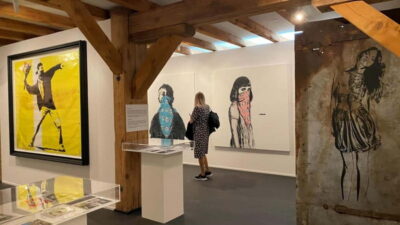

MACA Museum ‘Banksy & Street Art: The Early Years’ Art Exhibition
Read our review →
Danish National Museum Copenhagen Archeology History Tour
Read our review →
Browse the lists this tour appears in