
Reviewed · MUSEUMS
Copenhagen: Danish War Museum Entry Ticket
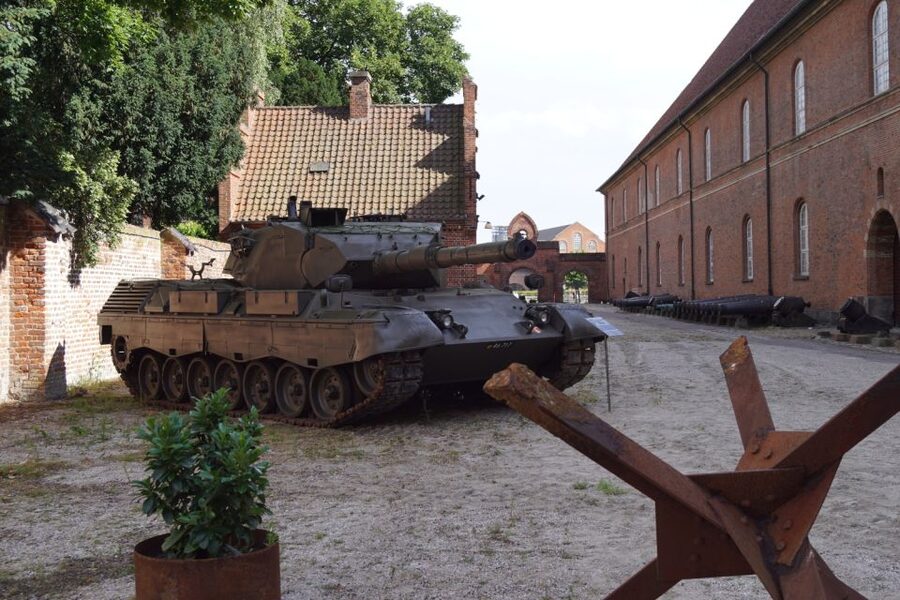
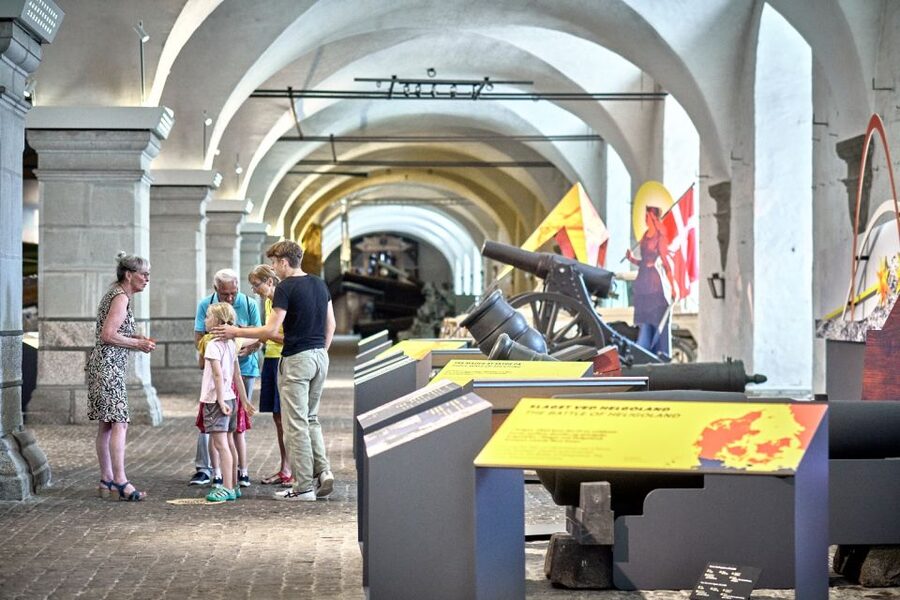
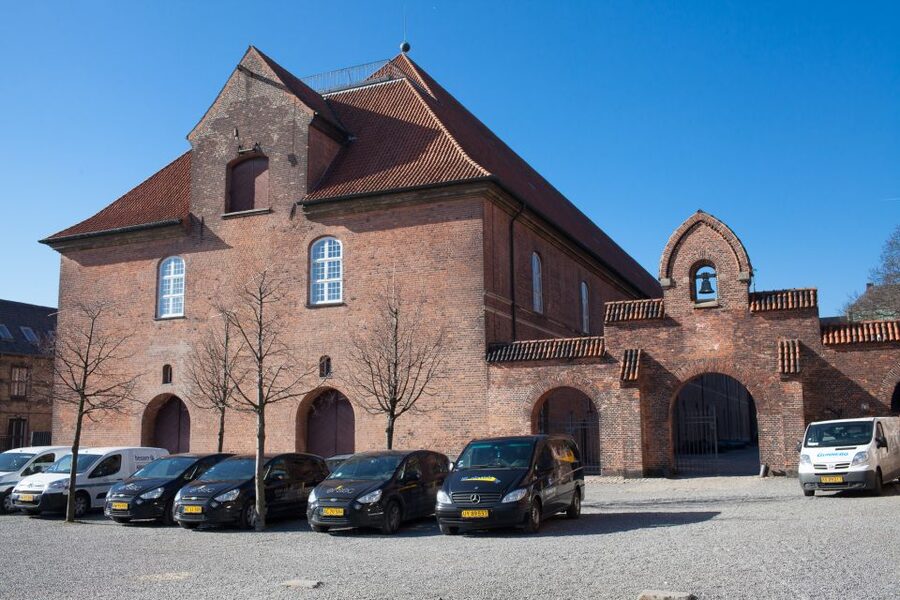
The first thing to know about the Danish War Museum is its setting: you enter a working piece of Copenhagen’s past, the 1604 Tøjhus Arsenal built under Christian IV. Inside, the 163-meter first-floor hall gives the museum a grand sense of scale, while the displays move from shining knightly armor to modern warfare and drones.
I like two things especially. First, the collection connects Denmark’s wars to everyday objects, including a 150-year-old biscuit and a ship model made from bones. Second, the museum does not stop at old weapons. Its Afghanistan material and new drone exhibition bring the subject into the present. The main drawback is practical: there is no elevator to the first floor, so access requires planning.
Key points to know before you go
- A 1604 Arsenal building: The museum occupies the historic Tøjhus, once used to store weapons and military equipment.
- A 163-meter hall: The first-floor room is described as the longest in the Nordic countries, giving the displays an unusual sense of length.
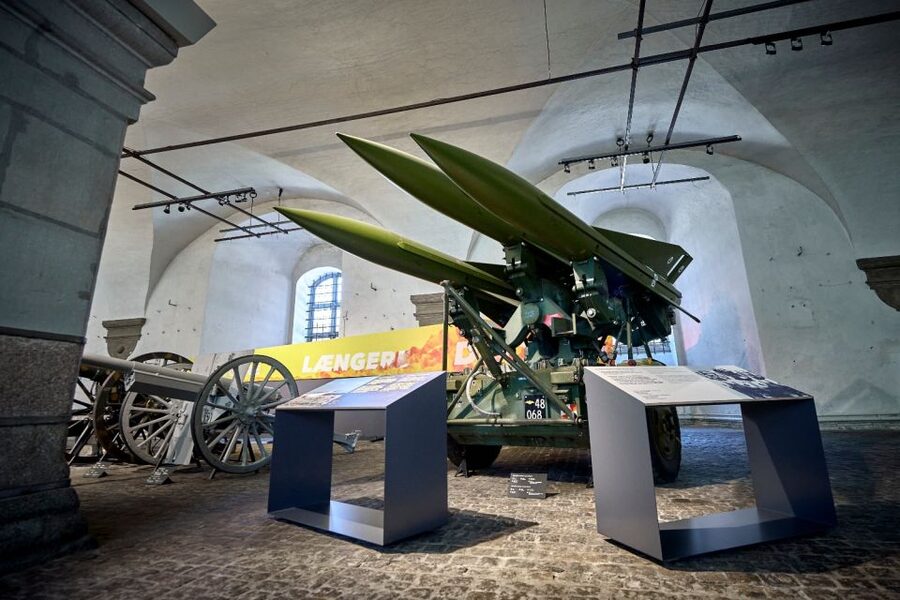
- Military history from the 1500s onward: You move through Danish conflicts involving Sweden, England, World War II, the Cold War, and Afghanistan.
- Objects with human stories: Look for the bone ship model, old biscuit, Civil War uniform, and Afghan military vehicle.
- A quiet hammock stop: Sit back and listen to Danish tales from the seven seas during your visit.
- Important access note: Wheelchairs and baby carriages may be brought in, but there is currently no elevator to the first-floor exhibitions.
Entering the Tøjhus Arsenal in Copenhagen
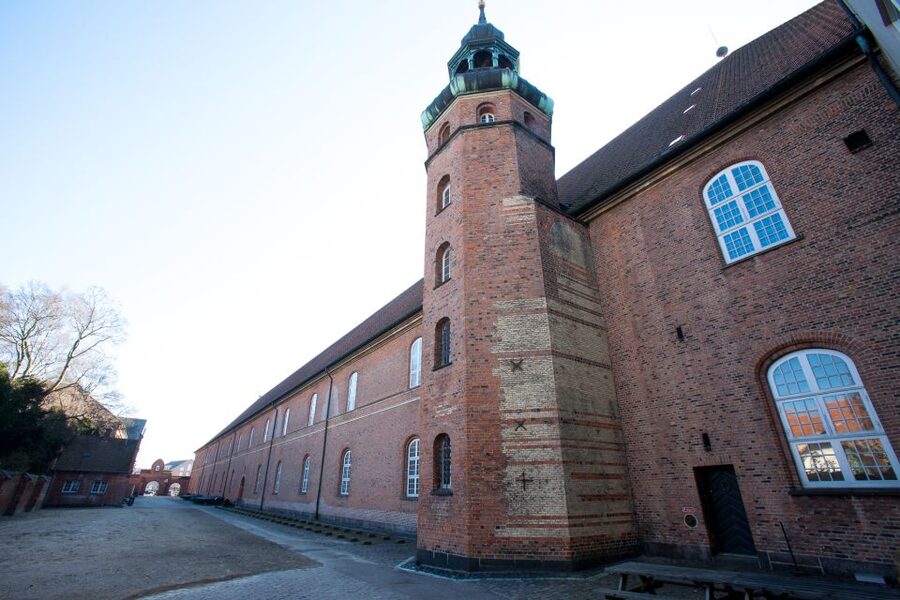
The building is part of the experience, not simply a shell around the displays. Christian IV had the Tøjhus Arsenal built in 1604, and its original purpose was practical: it functioned as an armory. That gives the museum a strong sense of place before you reach the first exhibit.
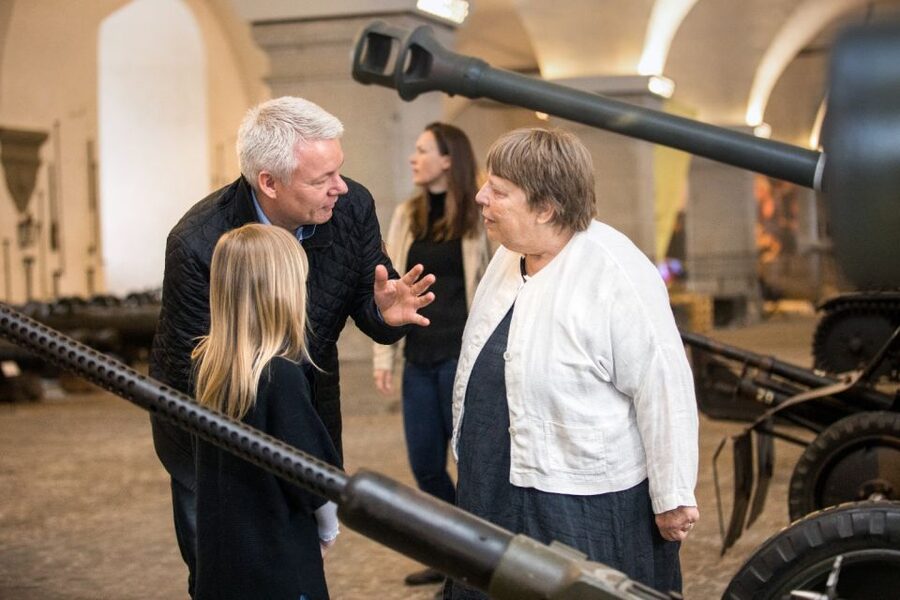
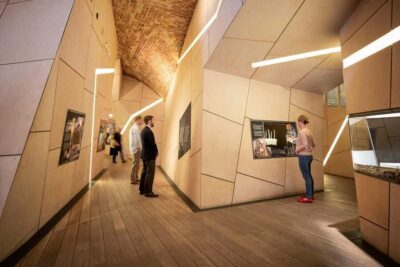
The building’s long first-floor hall is the visual anchor. At 163 meters, it gives you room to see military objects arranged across several centuries without feeling squeezed into a modern gallery. I would allow more than a quick hour, especially if you read the labels and pause at the smaller displays.
The museum ticket is priced at $20 per person and is valid for one day. That is fair value if you have an interest in military history, historic buildings, or unusual objects. It becomes less convincing if you only want a short stop between major Copenhagen sights, since the collection covers a great deal of time and rewards a slower visit.
You can cancel up to 24 hours before the visit for a full refund, and a reserve-now-pay-later option lets you keep your plans flexible. Check the available starting times when booking, since the ticket is valid for one day rather than tied here to a stated fixed duration.
A few more Copenhagen trips to weigh up
- Copenhagen: National Museum of Denmark Entry Ticket
★ 4.5 · 960 reviews - Exhibition – Home of Carlsberg
★ 4.5 · 281 reviews - Copenhagen: MACA Museum: Banksy & Street Art Entry Ticket
★ 4.5 · 142 reviews
Knightly armor and Denmark’s early wars
The first historical displays take you into Denmark’s earlier military story. Shining armor worn by 15th-century Danish knights gives you an immediate, visual introduction. Armor is easy to understand at a glance, but it also raises useful questions about status, protection, and the changing nature of combat.
From there, the displays cover Danish warfare from the 1500s onward. The material includes the 17th-century wars with Sweden and the 19th-century conflict with England. These sections matter because they show Denmark as a country shaped by pressure from larger military powers and by changing technology.
You should not expect the visit to focus on one famous battle alone. The appeal is the long sequence. Weapons and armor show how fighting changed over time, while the surrounding historical material helps place Denmark’s conflicts in a national setting.
The displays can also be useful for families with different interests. One person may stop at the weapons, while another follows the political and social changes behind each conflict. The museum’s value comes from that mix rather than from a single spectacular object.
The 163-meter hall and the pleasure of scale
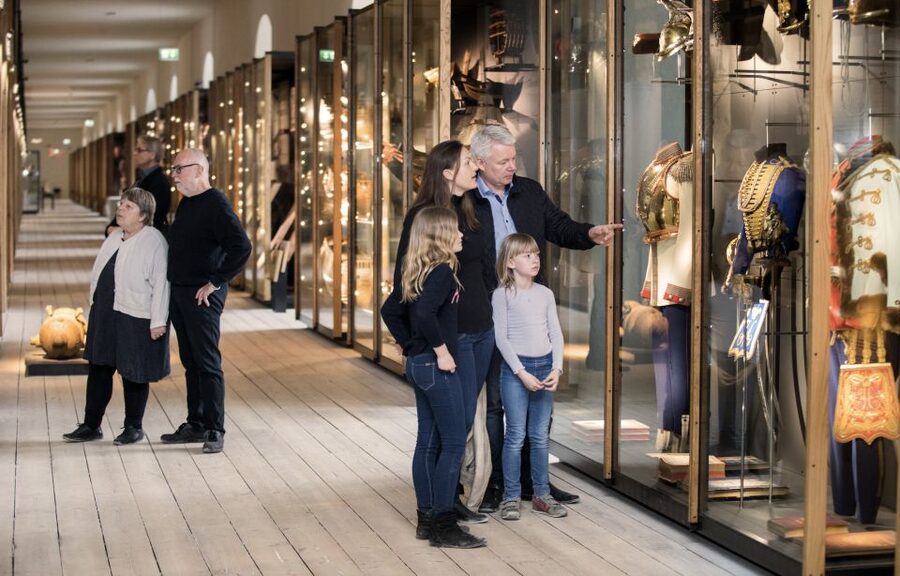
The first-floor hall deserves attention on its own. A room of this length changes how you visit a museum. Instead of moving through a series of small, separate galleries, you experience a long progression through Danish military history.
That arrangement helps you compare periods. A medieval suit of armor feels very different from equipment used in 20th-century warfare, and the physical distance between displays reinforces that change. You can look back along the hall and see how far the story has moved.
The scale may also affect your energy. You will be walking and standing as you follow the exhibitions, so comfortable shoes make sense. The information is described as extensive, and a highly rated experience with beautifully arranged exhibits is best enjoyed without rushing. One verified five-star review specifically praised the layout, the amount to see, and the fascinating information.
That praise points to a real strength. Good arrangement matters in a military museum, where rows of weapons can become tiring. Here, the long room provides a clear route and lets the objects create a visual rhythm.
Hammocks, sea stories, and a slower pause
Military museums can become serious places. The hammock station offers a welcome change of pace. You can sit back and listen to Danish stories from the seven seas, giving the visit a maritime and more relaxed side.
This is not just a novelty for children. A pause can help you take in a large collection without treating every display as a test of concentration. The sea stories also widen the museum’s subject beyond land battles and formal armies.
The information provided does not specify the length of the stories or how they are presented, so think of the hammock as an extra stop rather than a scheduled performance. If you are visiting with children, it may give them a comfortable break between the more technical displays.
I like that this feature keeps the museum from feeling like a long march through weapons cases. It gives the visit a small human touch and acknowledges Denmark’s connection to the sea.
Same city, a completely different kind of day:
- Copenhagen Card-Discover: 80+ Attractions & Public Transport
★ 4.6 · 5,351 reviews - Copenhagen: Hop-On Hop-Off Bus Tour with Boat Tour Option
★ 3.9 · 4,122 reviews - Private Walking Grand Tour of Copenhagen
★ 5.0 · 3,953 reviews - From Copenhagen: Lund and Malmö 2-Country Tour
★ 4.7 · 3,807 reviews
Small objects that make the collection memorable
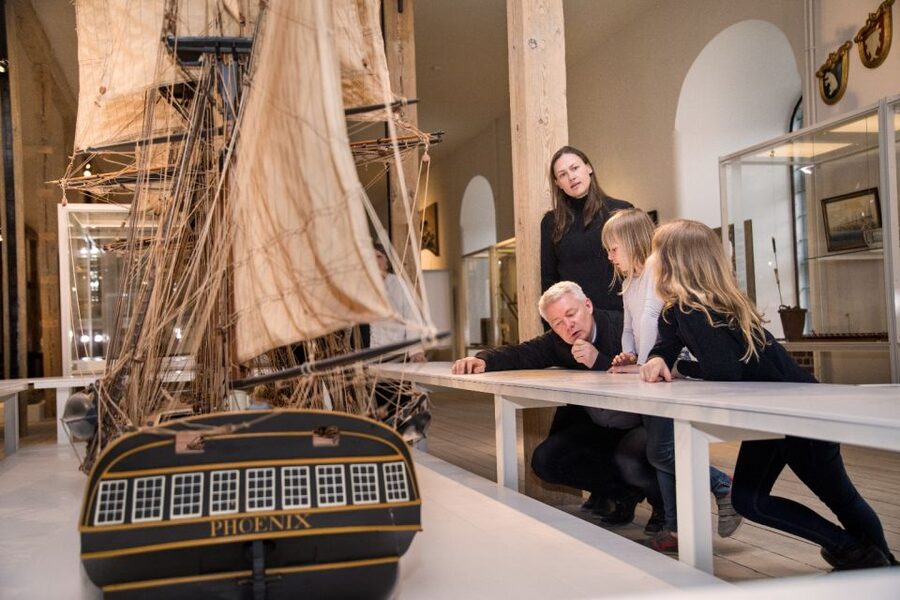
Some of the most effective museum pieces are not the largest. The Danish War Museum includes a ship model made of bones, a 150-year-old biscuit, and the world’s only complete example of a uniform from the American Civil War.
Each object offers a different way into the past. The bone ship model suggests patience, craft, and life at sea. The old biscuit points to the practical side of military life, where food had to survive storage and transport. The complete Civil War uniform gives you a close look at clothing and equipment from a conflict outside Denmark.
These pieces are useful because they make military history less abstract. You can understand a war through battles and commanders, but objects such as food, clothing, and handmade models show how people experienced military life day by day.
The collection also includes armor and weapons used across the centuries. I would pay attention to changes in design rather than simply counting the objects. The shape of a weapon or the construction of armor can tell you how tactics and protection changed.
World War II, the Cold War, and Afghanistan
The museum brings the story into the 20th and 21st centuries. World War II and the Cold War show how Denmark was affected by major international tensions, even when the displays are not limited to battlefield scenes.
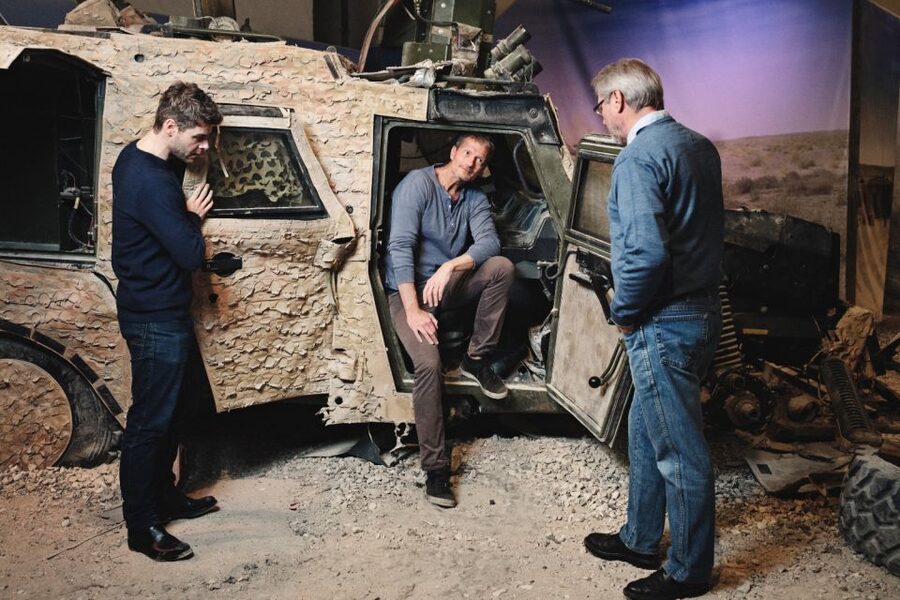
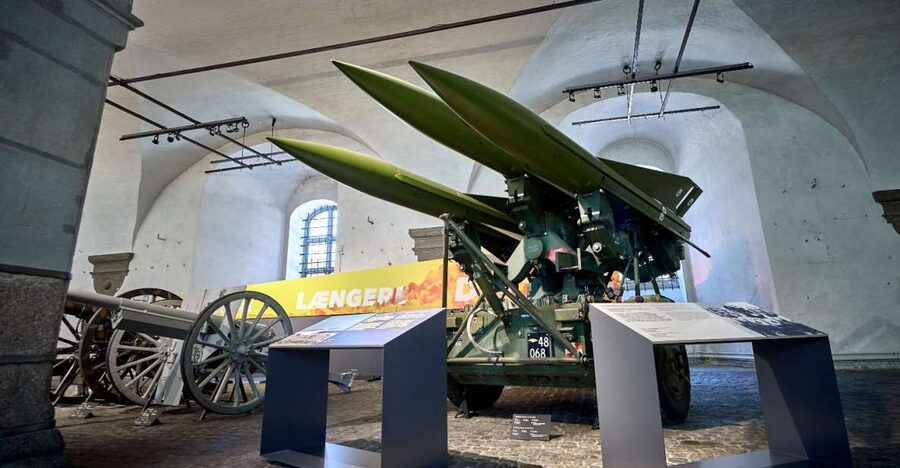
The Afghanistan material gives the modern section a direct physical presence. You can see a military car that ran over a roadside bomb in Afghanistan, with everyone inside surviving. That object turns a distant conflict into something immediate and tangible. It also gives you a chance to think about the risks faced by soldiers and the technology used to protect them.
The museum continues into Denmark’s role in 21st-century conflicts, including the War in Afghanistan. This makes the experience more relevant than a museum that stops at World War I or World War II.
Modern displays can be harder to absorb because many events remain politically and emotionally close. The benefit here is that you are not looking only at old artifacts. You are also being asked to consider how Denmark has participated in recent conflicts and what military service means today.
The new drone exhibition and future warfare
A new spot exhibition asks a sharp question: have drones changed the way we wage war? It looks at what drones mean for present conflicts and how they may affect future battlefields.
The subject is timely. Drones use cameras and sensors to watch from above, and unmanned weapons can also drop bombs. The exhibition addresses the fear created when soldiers and civilians know that surveillance may reach almost anywhere.
It also raises difficult questions about technology and responsibility. Could drones become killing machines that operate on their own? Can Danish defense systems stop a drone attack with the tools available today?
You should expect this section to feel more like a prompt for thought than a simple display of old equipment. It connects military technology to current reports from Ukraine and other battlefields, as well as to the many attack videos spread through social media.
This exhibit may be one of the best reasons to visit now, especially if you have already seen Copenhagen’s older historical museums. It gives the museum a current edge without abandoning its earlier collections.
How much time should you allow?
The ticket is valid for one day, but the supplied information does not set a required visit length. I would treat that validity as useful flexibility rather than a suggestion that you need to spend an entire day inside.
If you read only selected displays, you might make a shorter visit. If you want to follow the story from the 1500s through Afghanistan, pause at the unusual objects, listen to the sea stories, and consider the drone exhibition, you will need considerably more time.
The room’s length can make the visit feel orderly, but the quantity of material still matters. You may find it helpful to decide in advance whether you want a broad chronological walk or a closer look at particular periods.
The 4.7 rating from 106 reviews supports the museum’s appeal, and the strongest praise focuses on the beautiful arrangement and the amount to see. That does not mean every visitor will want to read everything. Your ideal visit depends on how much military history you want in one stop.
Access, comfort, and practical limits
The museum is working to address access problems, but there is currently no elevator to reach the first-floor exhibitions. This is the most important practical limitation and should be considered before you book.
You may bring your own wheelchair or baby carriage. However, the information does not confirm that every part of the first-floor route is accessible without stairs, so contact the museum directly if you need specific access guidance.
The ticket includes museum entry only. No guide, meal, transport, or separate activity is listed, so plan the visit as a self-guided museum experience. That can suit you if you like setting your own pace, but visitors looking for a scheduled explanation from a guide should not assume one is included.
The museum is in Copenhagen in the Zealand Region of Denmark. The exact opening hours and available start times are not supplied here, so check availability before setting your day around the visit.
Who will get the most from the $20 ticket?
I would recommend this experience to you if you enjoy military objects, historic buildings, Danish history, or modern questions about warfare. It also suits families who need a mixture of large displays, unusual artifacts, and a place to pause.
The ticket has particularly good value for anyone who wants more than a single famous sight. You get a historic Arsenal building, centuries of weapons and armor, World War II and Cold War material, Afghanistan equipment, and a current drone display for one admission.
It is less suitable if you dislike long museum visits or want a tightly guided tour with a fixed route. The museum covers a great deal of material, and you will need to decide how closely you want to follow each period.
The first-floor access issue is also decisive for some people. Bringing a wheelchair or baby carriage is permitted, but the lack of an elevator may prevent access to the main hall. Check before booking if that affects you or someone in your group.
Should you book the Danish War Museum?
Book it if you want a thoughtful Copenhagen museum visit that connects medieval armor, Danish conflicts, everyday military objects, Afghanistan, and drone warfare. The 1604 Arsenal and the 163-meter hall give the museum a strong setting, while the bone ship, old biscuit, Civil War uniform, and Afghan vehicle keep the displays varied.
At $20, the ticket offers solid value for people prepared to spend time with the collection. I would skip it only if your schedule is very tight, your interest in military history is low, or the first-floor access problem makes the visit impractical.
FAQ
Where is the Danish War Museum located?
The museum is located in Copenhagen, in Denmark’s Zealand Region. It occupies the historic Tøjhus Arsenal building.
How much does admission cost?
The listed price is $20 per person. The ticket includes museum entry.
How long is the ticket valid?
The ticket is valid for one day. Check availability for the available starting times.
What period of history does the museum cover?
The exhibitions cover Danish military history from the 1500s to the present day, including the War in Afghanistan.
What is special about the museum building?
The museum is located in the Tøjhus Arsenal, built by Christian IV in 1604. The building originally functioned as an armory.
What can I see in the long first-floor hall?
The first-floor hall is 163 meters long and includes military displays covering several centuries. It is described as the longest room in the Nordic countries.
Are there modern warfare exhibits?
Yes. The museum covers World War II, the Cold War, Denmark’s role in 21st-century conflicts, and the War in Afghanistan. You can also see a military car that survived a roadside bomb.
Does the museum have a drone exhibition?
Yes. A new spot exhibition examines how drones affect modern warfare, future battlefields, surveillance, bomb attacks, and defense systems.
Can I bring a wheelchair or baby carriage?
Yes, you may bring your own wheelchair or baby carriage. The museum currently has no elevator to help visitors reach the first-floor exhibitions.
Can I cancel the booking?
You can cancel up to 24 hours in advance for a full refund. A reserve-now-pay-later option is also available.
Just added around Copenhagen
- Urban Design and Livability E-bike Tour★ 4.8 · 21 reviews
- Full-Day Tour; Castle, Palace & Cathedral, Winter(JAN-MAR)★ 5.0 · 11 reviews
- a day at North Zealand Castle Tour★ 4.5 · 19 reviews
- Copenhagen Walking Tour with Food Testing (smorrebrod dish & snap)★ 4.5 · 10 reviews
- The Philosopher’s Last Walk: An audio tour on the life of Søren Kierkegaard★ 4.5 · 5 reviews
- The Six Forgotten Giants Trolls Hunt with Minibus★ 4.5 · 27 reviews
- The Forgotten Giants Private Tour★ 5.0 · 3 reviews
- Explore the Instaworthy Spots of Copenhagen with a Local★ 3.5 · 3 reviews
Museums, compared.


MACA Museum ‘Banksy & Street Art: The Early Years’ Art Exhibition
Read our review →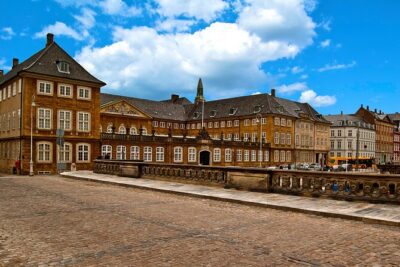
Danish National Museum Copenhagen Archeology History Tour
Read our review →
Browse the lists this tour appears in