
Reviewed · MUSEUMS
Copenhagen: The Museum of Danish Resistance Entrance Ticket
The most affecting part of this museum is the way it places you inside ordinary Danish life during the occupation, then shows how small acts of defiance grew into organized resistance. You follow five real people through wartime choices, fears, and hard compromises rather than simply reading a list of dates.
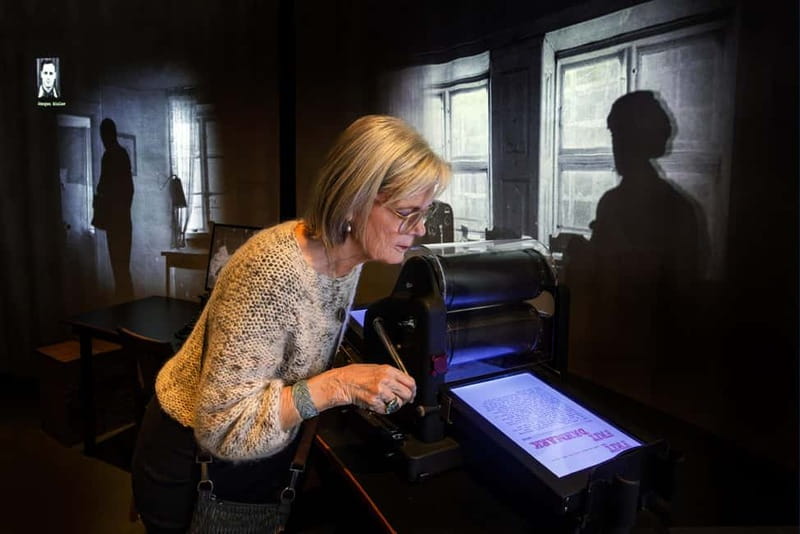
I like the interactive resistance tactics, especially the chance to print illegal magazines, intercept phone calls, and work on the Germans’ Enigma code. I also like the audio guide’s five personal viewpoints, which make the period easier to understand. The main drawback is time: although your ticket is valid for one day, allow about two hours if you want to see everything.
Key points
- Five real wartime figures guide you through the occupation years and the difficult choices faced by civilians.
- Hands-on exhibits let you try activities linked to resistance work, including illegal printing and codebreaking.
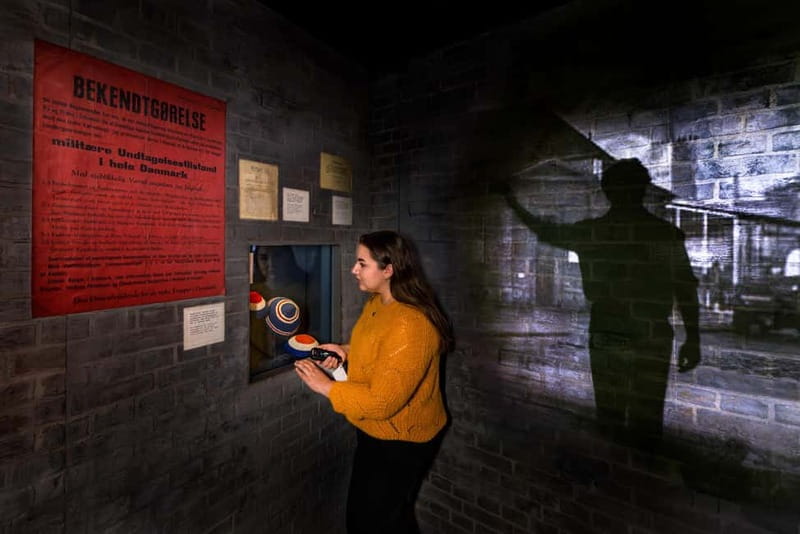
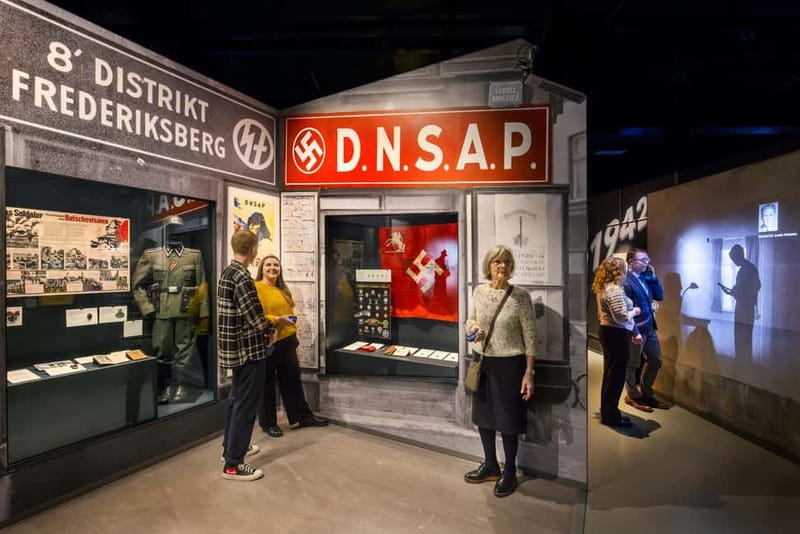
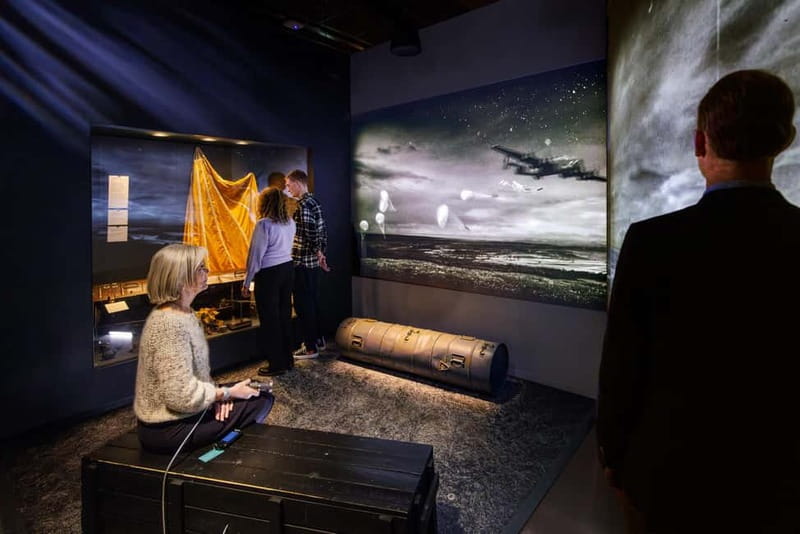
- Underground exhibition rooms recreate different scenes from Denmark between 1940 and 1945.
- English and Danish audio guides are included with admission.
- Kastellet location puts the museum near Copenhagen’s Osterport train station and Churchill Park.
- Advance booking costs about $20 per person, with free cancellation up to 24 hours before the visit.
Entering the Museum at Churchill Park
The Museum of Danish Resistance sits in Churchill Park beside Kastellet, Copenhagen’s historic star-shaped fortress. Its setting makes sense. You are not visiting a general war museum in an anonymous building. You are entering a site connected to Denmark’s military past, then heading underground to examine the occupation years from 1940 to 1945.
Before entering the exhibition, exchange your voucher at the museum shop. This is an easy step, but do not walk straight toward the galleries without checking in first. The shop is the required meeting point for your ticket.
The museum is wheelchair accessible. It is also close to Osterport train station, making it practical to combine with other sights in the Kastellet and central Copenhagen area. You can reserve a place in advance and pay later, which helps if your schedule is still shifting.
The ticket costs about $20 per person. That is a fair price if you use the full visit and spend close to two hours with the exhibits. It is less appealing if you rush through in 30 minutes, since the value comes from following the personal stories and trying the hands-on displays rather than simply passing through a series of cases.
A few more Copenhagen trips to weigh up
- Copenhagen: National Museum of Denmark Entry Ticket
★ 4.5 · 960 reviews - Exhibition – Home of Carlsberg
★ 4.5 · 281 reviews - Copenhagen: MACA Museum: Banksy & Street Art Entry Ticket
★ 4.5 · 142 reviews
Five Voices From Denmark’s Occupation
The museum’s main strength is its use of five historical figures who lived through the war. The audio guide lets you hear the occupation through their experiences, choices, and dilemmas.
That approach gives the museum a human scale. Nazi occupation can feel abstract when presented only through military events and political decisions. Here, you consider how the war affected people at home, how resistance began, and why joining or helping the resistance could be dangerous.
You should listen closely as you move from one scene to the next. The five voices help explain that resistance was not one simple activity with a clear right answer every time. People had to decide what they could risk, whom they could trust, and how much they could do without placing others in danger.
The guide is available in English and Danish. English-speaking visitors can follow the exhibition without needing a live guide, while Danish speakers have the option of hearing the material in their own language. Since there is no live guide included, the audio tour is the main way to get the full narrative.
I would treat the audio guide as essential rather than optional. The objects and settings may catch your eye, but the personal accounts explain why they matter.
Underground Scenes From 1940 to 1945
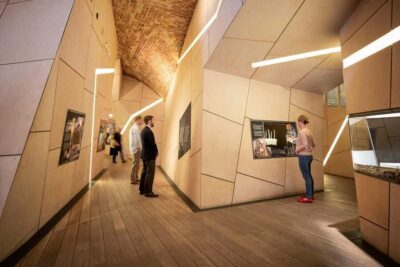
The exhibition takes you underground and presents the occupation through different scenes from the five years of war. This helps you move through the period in sequence instead of trying to absorb a large collection of disconnected information.
You learn how the occupation affected the Danish population in daily life, then see how resistance activity developed. The focus is not limited to dramatic acts of sabotage. The museum also looks at civilian experience, communication, information, fear, and the gradual growth of organized opposition.
That wider view is important. It shows that resistance depended on more than a few bold individuals. Printing information, passing messages, sharing news, and making careful decisions all required trust. The museum’s scenes help you understand how those actions fitted into daily life under German control.
The underground setting adds a serious mood without needing theatrical effects. You are physically below ground as the story turns to secrecy and danger. Still, this is a museum visit, not a recreated battlefield or a live performance. The experience depends on the audio, written material, and interactive stations.
If you have a strong interest in World War II, you will probably want to take your time. If you know little about Denmark’s wartime experience, the museum offers a focused introduction without requiring a full day.
Printing, Phone Calls, and the Enigma Code
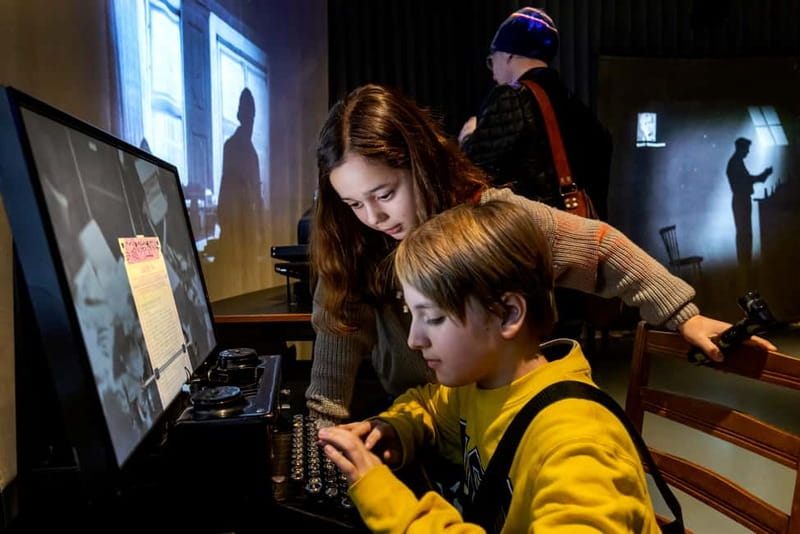
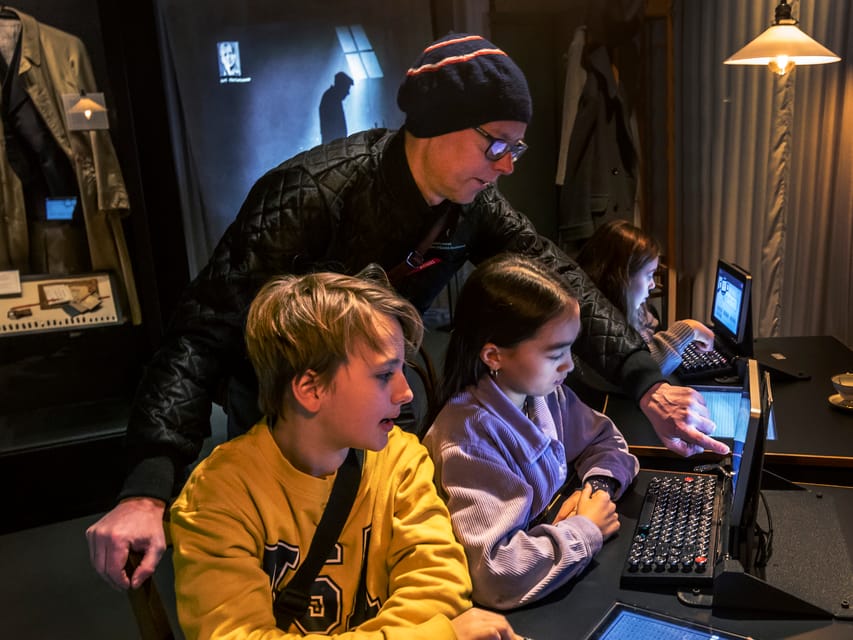
The interactive exhibits are the part most likely to keep the visit active. You can try printing illegal magazines, intercepting phone calls, and working to break the Germans’ Enigma code.
These activities do more than add buttons and screens. They show the practical problems behind resistance work. Illegal publications required equipment, secrecy, and distribution. Intercepting phone calls required attention and access to communication networks. Codebreaking required patience and skill rather than simple bravery.
The magazine activity gives you a clearer sense of how information could become an act of resistance. In an occupied country, passing along news or arguments could challenge official control. The telephone exhibit shifts the focus to communication and surveillance. The Enigma activity offers a glimpse of the technical side of the war.
You should expect these displays to be educational rather than a full escape-room game. Their value is that they make unfamiliar tactics easier to grasp. They also break up the listening and reading, which is useful during a museum visit of roughly two hours.
Families and older children may find the interactive stations especially helpful, though the subject remains serious. Adults who prefer traditional museums should still have enough historical material to make the visit worthwhile. Just do not mistake the interactive elements for the whole museum. They work best alongside the personal stories.
Same city, a completely different kind of day:
- Copenhagen Card-Discover: 80+ Attractions & Public Transport
★ 4.6 · 5,351 reviews - Copenhagen: Hop-On Hop-Off Bus Tour with Boat Tour Option
★ 3.9 · 4,122 reviews - Private Walking Grand Tour of Copenhagen
★ 5.0 · 3,953 reviews - From Copenhagen: Lund and Malmö 2-Country Tour
★ 4.7 · 3,807 reviews
The Civilian Cost of Occupation
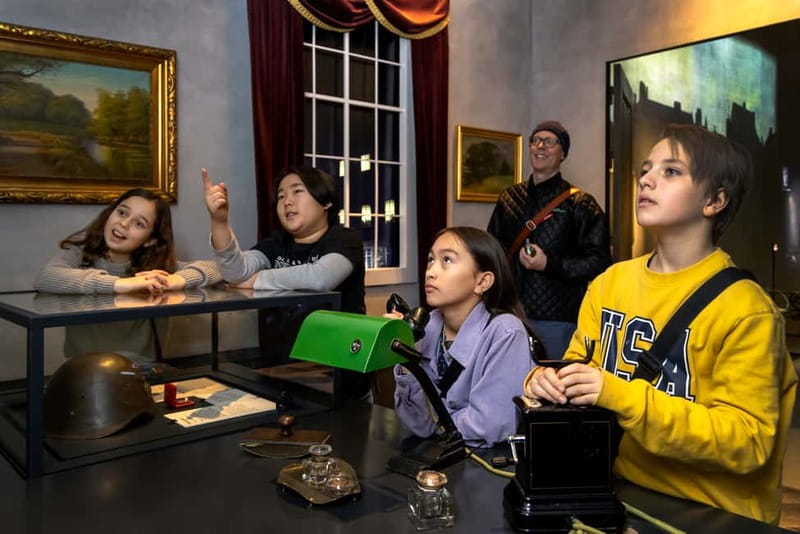
The museum gives proper attention to everyday life, which is one of its most useful features. You are encouraged to think about how the occupation affected the Danish population, not only the people who took part in armed or organized resistance.
That means the story includes difficult choices. A person might want to help but fear punishment. Another might have access to useful information but not know whom to trust. Someone else might support resistance in private while trying to protect family members from danger.
This focus helps you avoid a simplified version of the past. Resistance was important, but it did not erase uncertainty or fear. The museum’s five personal accounts bring those shades of gray into view.
I especially value this approach for visitors who already know the broad outline of World War II. You may learn fewer general facts than at a large national war museum, but you gain a closer view of what occupation meant at the personal level.
The tone is naturally somber. This is not a light attraction to squeeze between shopping stops. You can visit it as part of a day around Kastellet, but give yourself a quiet moment afterward to process what you have heard.
How Long to Allow and How to Plan the Visit

The ticket is valid for one day, and availability depends on the starting times shown when you book. You do not need to treat the visit as a fixed guided tour with a live leader. Instead, you enter after exchanging your voucher and follow the exhibition with the included audio guide.
Plan on about two hours to see it all. That amount of time allows you to listen to the five stories, move through the wartime scenes, and spend time at the interactive exhibits. You can move faster, but rushing would undercut the personal and practical details that make the museum worthwhile.
A simple plan works well:
- Arrive at the museum in Churchill Park beside Kastellet.
- Exchange your voucher at the museum shop.
- Choose the English or Danish audio guide.
- Follow the occupation story through the underground exhibition.
- Pause at the interactive stations instead of treating them as quick extras.
- Leave enough time for the final sections and reflection.
Because there is no live guide, you control your pace. That is useful if you want to pause at a particular story or spend extra time with the Enigma exhibit. It also means you should be prepared to guide yourself through the sequence.
The museum is near Osterport station, so rail access is a practical advantage. The location also makes sense for a walking route around Kastellet, though the ticket itself covers only the museum entrance and audio guide.
Who Will Get the Most From This Museum?

I would recommend this experience to anyone interested in World War II, Danish history, occupation, or the moral choices created by war. It suits independent visitors who prefer to explore at their own pace rather than follow a live guide.
It is also a good choice if you want a museum that does not rely only on glass cases and long blocks of text. The printing, phone, and codebreaking stations give you something to do while explaining how resistance methods worked.
Families can benefit from the hands-on sections, but parents should remember that the subject is serious. The museum deals with occupation, fear, secrecy, and difficult decisions. It is best for children who can engage with those themes.
I would be less likely to recommend it if you want a short stop with a quick overview. The museum rewards attention, and the audio guide is central to the experience. If you skip the narration, you may miss much of the meaning behind the scenes.
The 4.5 rating from 48 reviews fits the experience well. The strongest praise centers on how informative the museum is and how well the audio guide works. One useful planning point is easy to miss: allow about two hours, even though the ticket is valid for one day.
Booking, Cancellation, and Practical Details
The entry ticket and audio guide are included. A live guide is not included, so do not expect a person to lead your group through the museum.
The audio guide is offered in English and Danish. The museum is wheelchair accessible. You can cancel up to 24 hours before the visit for a full refund, and the reserve-now, pay-later option lets you hold a place without paying immediately.
At about $20, the price makes the most sense when you value a focused, well-structured history museum rather than a quick sightseeing stop. The combination of personal accounts and interactive exhibits gives you more to engage with than a basic entrance ticket, but the visit still depends on your willingness to listen and read.
Should You Book the Museum of Danish Resistance?

Yes, if you want a thoughtful look at Denmark during World War II and are willing to spend about two hours with the material. The five personal voices, underground scenes, and practical resistance activities give the visit a clear purpose.
Book it if you appreciate museums that connect major events to everyday decisions. It is especially useful for English-speaking visitors because the audio guide is included and available in English.
Skip it only if your Copenhagen schedule allows time for a very brief museum stop, or if you prefer a live guide and group commentary. For most history-minded visitors, the $20 ticket offers solid value, particularly when you take time to use the interactive exhibits instead of rushing through.
FAQ
Where is the Museum of Danish Resistance located?
The museum is in Churchill Park at Kastellet in Copenhagen, in Denmark’s Zealand Region. It is also near Osterport train station.
What does the ticket include?
The ticket includes entry to the Museum of Danish Resistance and an audio guide.
Is a live guide included?
No. A live guide is not included. The visit uses an audio guide instead.
Which audio guide languages are available?
The audio guide is available in English and Danish.
How long should I allow for the museum?
The ticket is valid for one day, but you should allow about two hours if you want to see the full exhibition and use the interactive displays.
What interactive activities are available?
You can try printing illegal magazines, intercepting phone calls, and breaking the Germans’ Enigma code.
Can I cancel the booking?
Yes. You can cancel up to 24 hours in advance for a full refund. The reserve-now, pay-later option is also available.
Just added around Copenhagen
- Urban Design and Livability E-bike Tour★ 4.8 · 21 reviews
- Full-Day Tour; Castle, Palace & Cathedral, Winter(JAN-MAR)★ 5.0 · 11 reviews
- a day at North Zealand Castle Tour★ 4.5 · 19 reviews
- The Philosopher’s Last Walk: An audio tour on the life of Søren Kierkegaard★ 4.5 · 5 reviews
- The Six Forgotten Giants Trolls Hunt with Minibus★ 4.5 · 27 reviews
- Copenhagen Walking Tour with Food Testing (smorrebrod dish & snap)★ 4.5 · 10 reviews
- The Forgotten Giants Private Tour★ 5.0 · 3 reviews
- Explore the Instaworthy Spots of Copenhagen with a Local★ 3.5 · 3 reviews
Museums, compared.

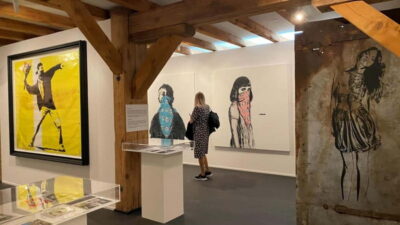

MACA Museum ‘Banksy & Street Art: The Early Years’ Art Exhibition
Read our review →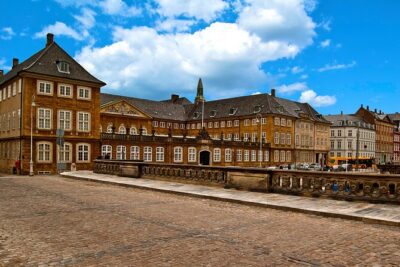
Danish National Museum Copenhagen Archeology History Tour
Read our review →
Browse the lists this tour appears in