
Reviewed · MUSEUMS
Copenhagen: Danish Jewish Museum Entry Ticket
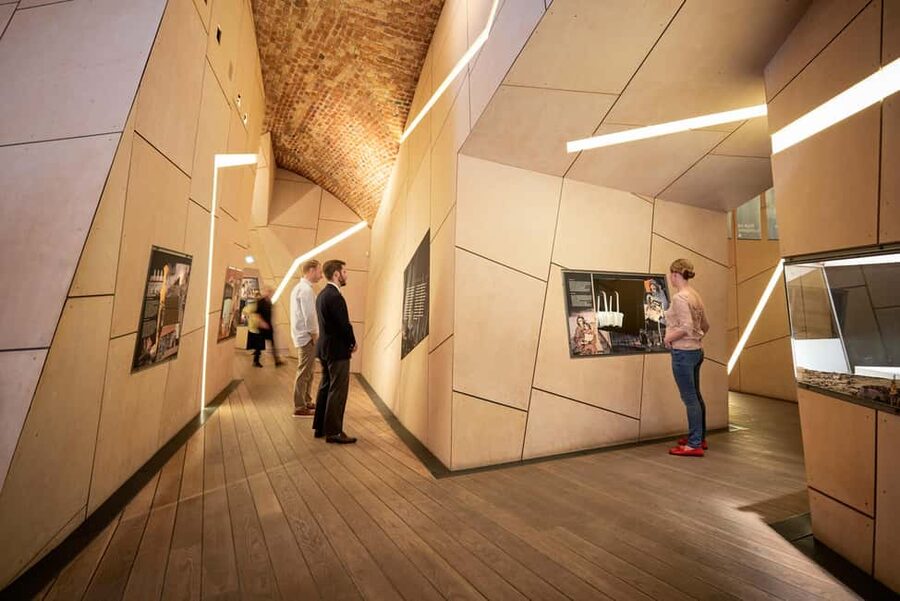
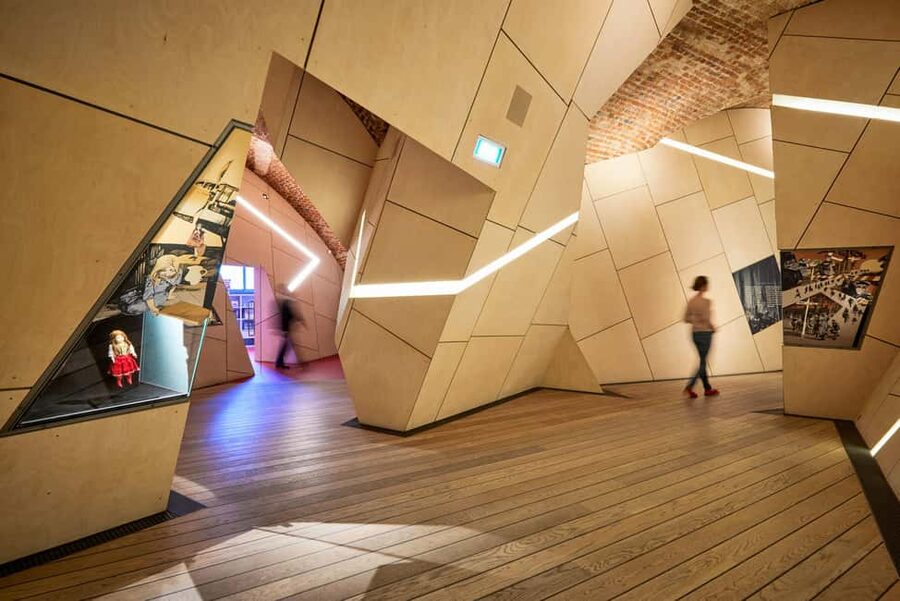
The Danish Jewish Museum tells a compact but powerful story: 400 years of Jewish life in Denmark, including the perilous years from 1943 to 1945 when most Danish Jews escaped to Sweden. Daniel Libeskind’s building helps tell that story, with sloping floors, pale wood, and a layout based on the Hebrew word Mitzvah, meaning a good deed.
I like two things here. First, the museum links ordinary Jewish life with the upheaval of war, rather than treating the Holocaust as an isolated subject. Second, the small size works in your favor. You can take in the main displays in about 45 to 60 minutes, with English and Danish translations throughout. The main drawback is simple: at $15 per person, it is not a full-day museum, and there is no guided tour or transportation included.
Key points to know before you go
- Daniel Libeskind’s architecture uses angled floors and light wood to suggest movement, refuge, and hope.
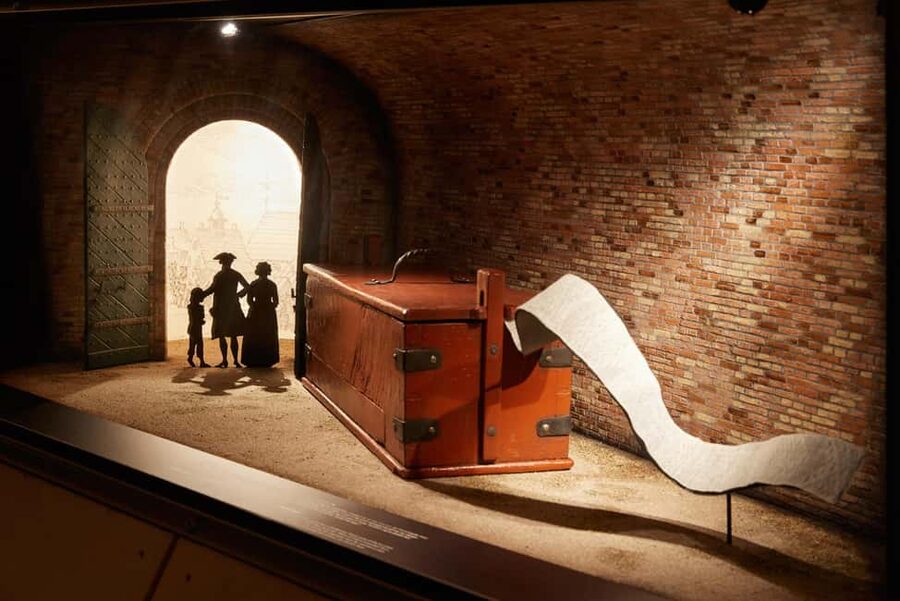
- The Gate to Denmark examines the creation of Jewish life in Denmark during the 18th century.
- Flight and Persecution in the 20th Century follows Jewish experiences from wartime persecution toward the present day.
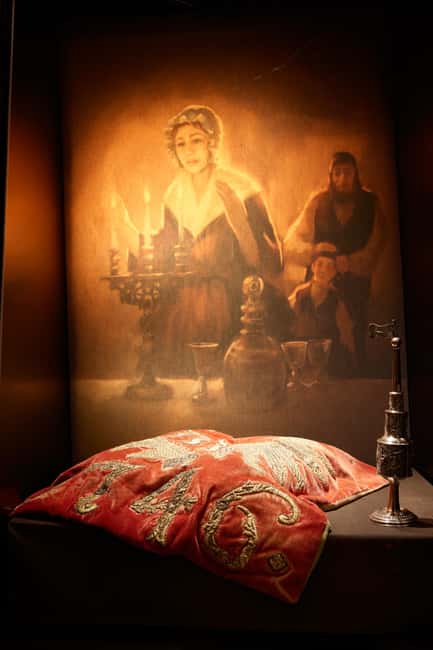
- Artifacts and illustrations give personal weight to the historical material.
- English and Danish translations make the exhibitions accessible to international visitors.
- The ticket remains valid for 365 days, useful if your Copenhagen plans change or you return to the city.
Entering a museum shaped by the idea of Mitzvah
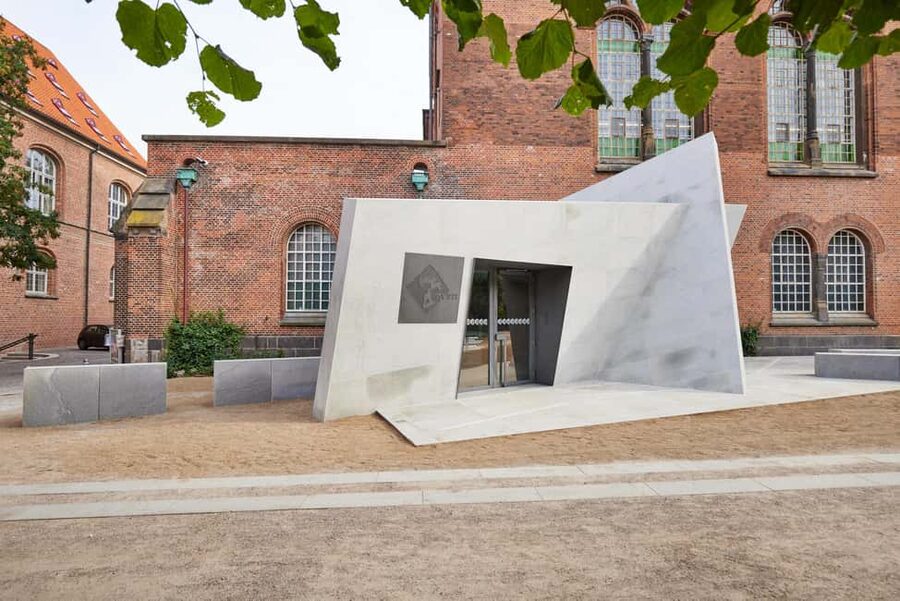
The Danish Jewish Museum is housed in a building designed by Daniel Libeskind, and the architecture is not just decoration. The layout takes its cue from Mitzvah, a Hebrew word connected with a good deed. Here, that idea refers in part to the help that allowed most Danish Jews to flee to Sweden during World War II.
You notice the design before you have absorbed the displays. Light wood covers parts of the walls, suggesting the Nordic setting. The floors slope and shift, giving you the odd sensation of standing on a boat. That feeling is useful rather than showy. The building prepares you for a story about uncertainty, movement, escape, and survival.
The sense of light is also deliberate. The museum’s design offers brightness and openness in contrast with the darkness of Nazi persecution elsewhere in Europe. It does not make the subject easy, but it gives the museum a tone of human possibility alongside grief.
This is a place where you should slow down at the entrance. Look at how the paths and surfaces guide you. If you rush straight to the text panels, you will miss part of what the building is saying.
A few more Copenhagen trips to weigh up
- Copenhagen: National Museum of Denmark Entry Ticket
★ 4.5 · 960 reviews - Exhibition – Home of Carlsberg
★ 4.5 · 281 reviews - Copenhagen: MACA Museum: Banksy & Street Art Entry Ticket
★ 4.5 · 142 reviews
The Gate to Denmark and the start of Jewish life
The Gate to Denmark is the first part of a larger story about 400 years of Danish Jewish history. It focuses on the establishment of Jewish life in Denmark during the 18th century, giving you an introduction to the community before the wartime sections.
That starting point matters. A museum about Jewish persecution can easily make Jewish history seem like a chain of disasters. This exhibition instead begins with settlement, community, and the formation of daily life. You get a better sense that Danish Jewish history is not only a wartime story.
The exhibition was developed with the exhibition design studio at Moesgaard Museum. Its role is to set the stage, so you should expect historical context rather than a long chronological tour through every century.
The museum is small, so this section does not require a large block of time. You might spend more time reading if Danish Jewish history is new to you, but the full museum can generally be covered in under an hour. That makes it a practical stop between larger Copenhagen sights.
Flight and Persecution from 1943 to 1945
The second exhibition, Flight and Persecution in the 20th Century, turns toward the harder part of the story. It includes carefully selected objects connected with Jewish life and wartime experience, brought to life through illustrations by artist Kristian Bay Kirk.
The objects are important because they keep the history grounded. Instead of receiving only broad facts about persecution, you encounter things connected with real people and real choices. The illustrations add another layer, helping connect the objects with the human stories behind them.
The central wartime subject is the escape of most Danish Jews to Sweden. Between 1943 and 1945, Danish Jews faced the threat of persecution and many fled across the water to safety. The museum’s architecture echoes this movement, with its sea-like floors and visual sense of passage.
You should not expect a large collection spread across many rooms. The displays are selective, and that is both their strength and their limit. A focused selection can make you stop and think, but anyone looking for a very large Holocaust museum may find the visit brief.
The exhibition also carries its story beyond 1945. Antisemitism did not end with the war, and the museum connects the historical material with its continued presence, including its growth in several countries in recent years. That modern connection keeps the exhibition from presenting the past as safely finished.
Why the museum’s small size can be an advantage
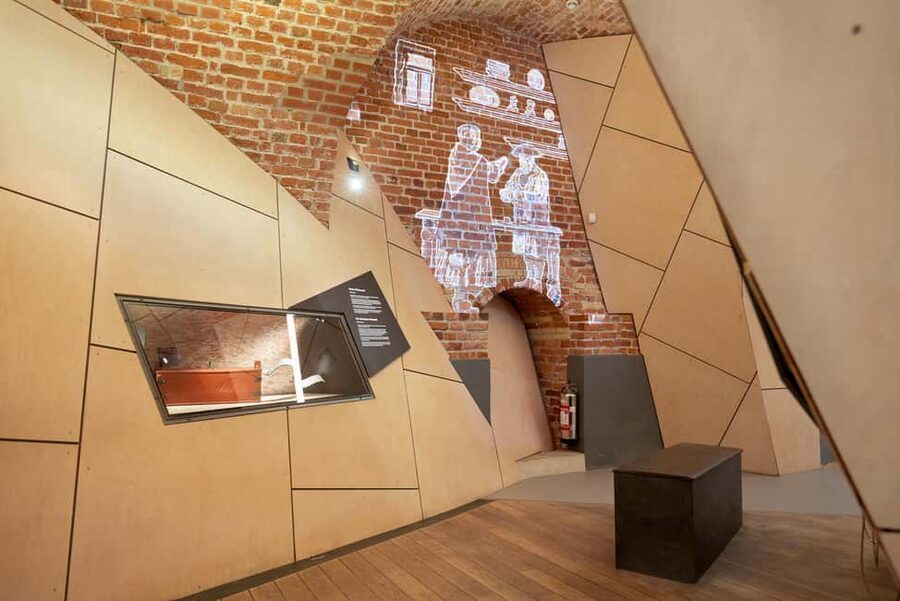
Plan on roughly 45 minutes to one hour. That timing comes directly from the nature of the museum: it is compact, carefully focused, and designed around two main exhibitions rather than a huge collection of galleries.
I like this scale for a Copenhagen itinerary. You can visit without giving up half a day, and the subject is serious enough to add depth to your understanding of Denmark. It also suits you if you prefer museums where you can read the main panels rather than skim dozens of rooms.
The tradeoff is value. At $15 per person, the price is fair if you care about Danish Jewish history, museum architecture, or World War II history. It feels less compelling if you want a long, activity-packed museum visit. You are paying for a focused cultural stop, not hours of entertainment.
The ticket is valid for 365 days, which softens that concern. You are not locked into one narrow date, and the long validity can help if you are staying in the region, returning to Copenhagen, or booking before your schedule is fixed. Check the available starting times when reserving, since the year-long validity does not remove the need to check entry arrangements.
Same city, a completely different kind of day:
- Copenhagen Card-Discover: 80+ Attractions & Public Transport
★ 4.6 · 5,351 reviews - Copenhagen: Hop-On Hop-Off Bus Tour with Boat Tour Option
★ 3.9 · 4,122 reviews - Private Walking Grand Tour of Copenhagen
★ 5.0 · 3,953 reviews - From Copenhagen: Lund and Malmö 2-Country Tour
★ 4.7 · 3,807 reviews
English translations and the pace of the visit
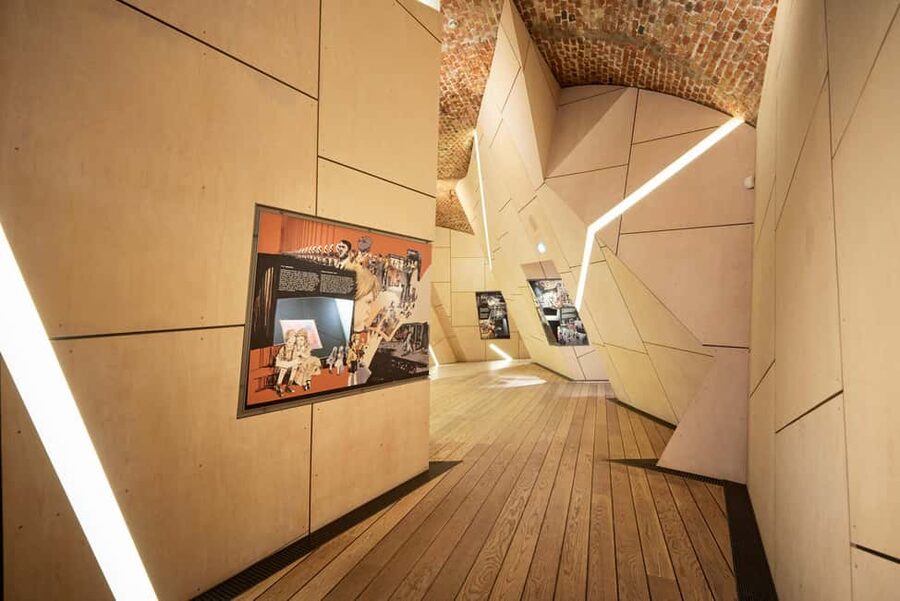
The exhibition information is available in both English and Danish. For an international visitor, that makes a major difference. You can follow the historical argument without depending on a guide or translation app.
There is no guided tour included. That gives you freedom to move at your own speed, but it also means you need to read the panels and interpret the objects independently. If you want a personal explanation or a question-and-answer format, this ticket will not provide it.
The staff are described as kind and gentle, which fits the museum’s quiet tone. Still, the experience is primarily self-guided. Give yourself enough time to read, especially in the wartime exhibition, where the meaning may not be obvious from an object alone.
The museum is wheelchair accessible. That is useful to know given the distinctive angled floors, which are central to the building’s design. Accessibility is provided, but the unusual architecture may still make it sensible to take your time moving through the spaces.
What the visit adds to a Copenhagen itinerary
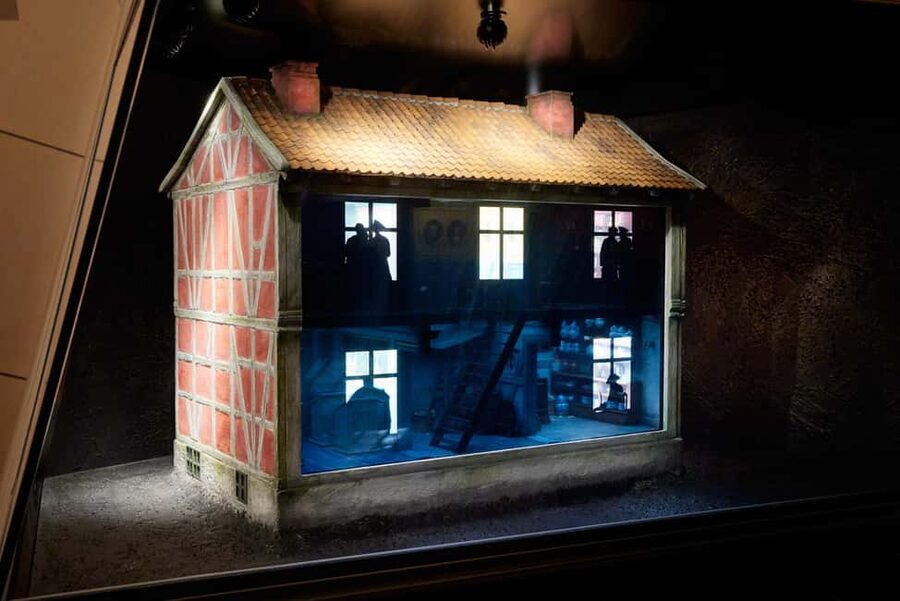
Copenhagen has grand palaces, design museums, canals, and food markets. The Danish Jewish Museum offers a different kind of stop. It gives you a closer look at one community’s place within Danish society, while also showing how national history is shaped by decisions made in moments of danger.
The museum works especially well after you have seen some of central Copenhagen and want a quieter indoor visit. It also suits a rainy day, a short afternoon gap, or a history-focused itinerary. Because the visit is brief, you can pair it with another nearby activity without planning your entire day around it.
You should come with the right expectations. This is not a broad survey of all Jewish history, and it is not a large Holocaust memorial complex. Its subject is specifically Jewish life in Denmark, with emphasis on the community’s establishment, the wartime years, and the continuing problem of antisemitism.
That focus is its main value. You leave with a clearer understanding of how Danish Jewish life developed and how the country’s wartime story differs in important ways from the wider European experience.
Who will find the $15 ticket worthwhile
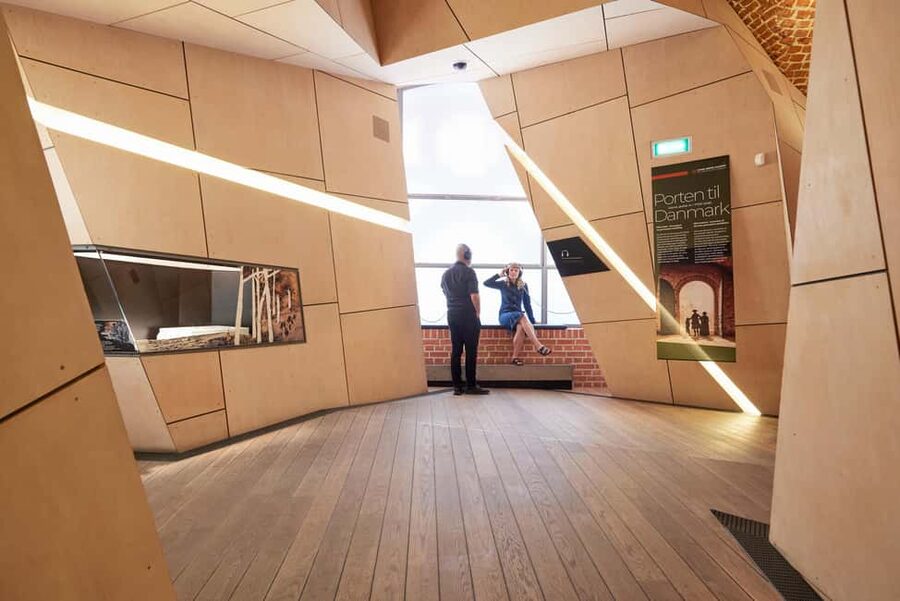
I would recommend this museum to you if you have an interest in:
- Danish history and minority communities
- Jewish cultural heritage
- World War II and wartime escape stories
- Museum architecture
- Short, thoughtful cultural visits
- Exhibitions with English text
Families with older children may also find the visit manageable because it is short. The subject matter is serious, so parents should decide how much of the wartime material is suitable for their children.
The museum is a good fit for a solo visit or a couple who prefer reading and reflection. It is less suited to anyone seeking a lively guide, hands-on activities, or a large collection that takes several hours to explore.
The displayed rating is 3.4 from three reviews, but the written comments point to two consistent strengths: the museum is informative, and the quality matches the price for people interested in the subject. One visitor gave an estimate of about one hour, while another found 45 minutes enough. I would plan for an hour so you can read without hurrying.
Practical booking advice
The ticket costs $15 per person and includes admission to the Danish Jewish Museum. Guided tours and transportation are not included, so you will need to make your own way to the museum and explore independently.
You can cancel up to 24 hours in advance for a full refund. The reserve-now, pay-later option lets you hold your plans without paying immediately, which is useful when your Copenhagen schedule is still taking shape.
The ticket is valid for 365 days, though you should check availability for starting times. That flexibility is unusual for a small museum ticket and makes this easier to fit around weather, meals, or other timed attractions.
The activity is wheelchair accessible. Since the building’s floors slope as part of Libeskind’s design, take a careful look at how the layout works for your own needs when planning the visit.
Should you book the Danish Jewish Museum?
Book it if you want a short, serious museum visit that connects Danish Jewish life, wartime escape, and modern antisemitism. The architecture gives the experience an extra layer, and the English translations make it easy to follow without a guide.
Skip it if you want a large museum with a full afternoon of galleries, or if your main interest is general Danish art and design. At $15, the value depends on caring about the subject, since the visit usually lasts less than an hour.
For the right visitor, this is a worthwhile Copenhagen stop. It is small, focused, and emotionally thoughtful, with a building that helps tell the story before you have read a single label.
FAQ
How long does a visit to the Danish Jewish Museum take?
You should plan for about 45 minutes to one hour. The museum is small and contains two main exhibitions.
What does the museum cover?
It tells the story of 400 years of Jewish life in Denmark, including the creation of Jewish life during the 18th century and wartime experiences from 1943 to 1945.
What are the museum’s two exhibitions?
The Gate to Denmark covers the establishment of Jewish life in Denmark during the 18th century. Flight and Persecution in the 20th Century examines Jewish experiences during and after the 20th century, including continuing antisemitism.
Who designed the museum’s architecture?
The museum was designed by Daniel Libeskind.
What is special about the museum’s building?
The building uses light wooden wall panels and sloping floors. The floors suggest the feeling of being at sea, while the design’s concept is based on the Hebrew word Mitzvah, meaning a good deed.
Is information available in English?
Yes. The exhibition information is available in English and Danish.
Is a guided tour included?
No. The ticket provides museum entry only. Guided tours are not included.
Is transportation included?
No. You must arrange your own transportation to the museum.
Is the museum wheelchair accessible?
Yes, the Danish Jewish Museum is wheelchair accessible.
How long is the ticket valid?
The ticket is valid for 365 days. You should check availability for starting times when making your plans.
Can I cancel the booking?
Yes. You can cancel up to 24 hours in advance for a full refund.
How much does admission cost?
The listed price is $15 per person.
Just added around Copenhagen
- Urban Design and Livability E-bike Tour★ 4.8 · 21 reviews
- Full-Day Tour; Castle, Palace & Cathedral, Winter(JAN-MAR)★ 5.0 · 11 reviews
- a day at North Zealand Castle Tour★ 4.5 · 19 reviews
- Copenhagen Walking Tour with Food Testing (smorrebrod dish & snap)★ 4.5 · 10 reviews
- The Philosopher’s Last Walk: An audio tour on the life of Søren Kierkegaard★ 4.5 · 5 reviews
- The Six Forgotten Giants Trolls Hunt with Minibus★ 4.5 · 27 reviews
- The Forgotten Giants Private Tour★ 5.0 · 3 reviews
- Explore the Instaworthy Spots of Copenhagen with a Local★ 3.5 · 3 reviews
Museums, compared.


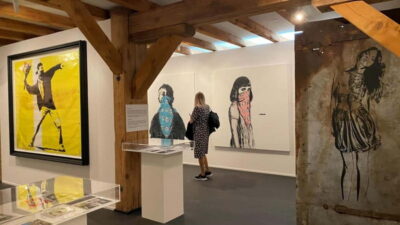


MACA Museum ‘Banksy & Street Art: The Early Years’ Art Exhibition
Read our review →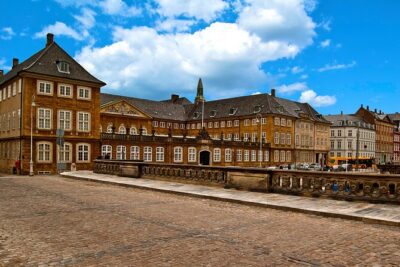
Danish National Museum Copenhagen Archeology History Tour
Read our review →
Browse the lists this tour appears in